
Sports Networking That Gets You Playing
March 16, 2026 · Chris Palmer
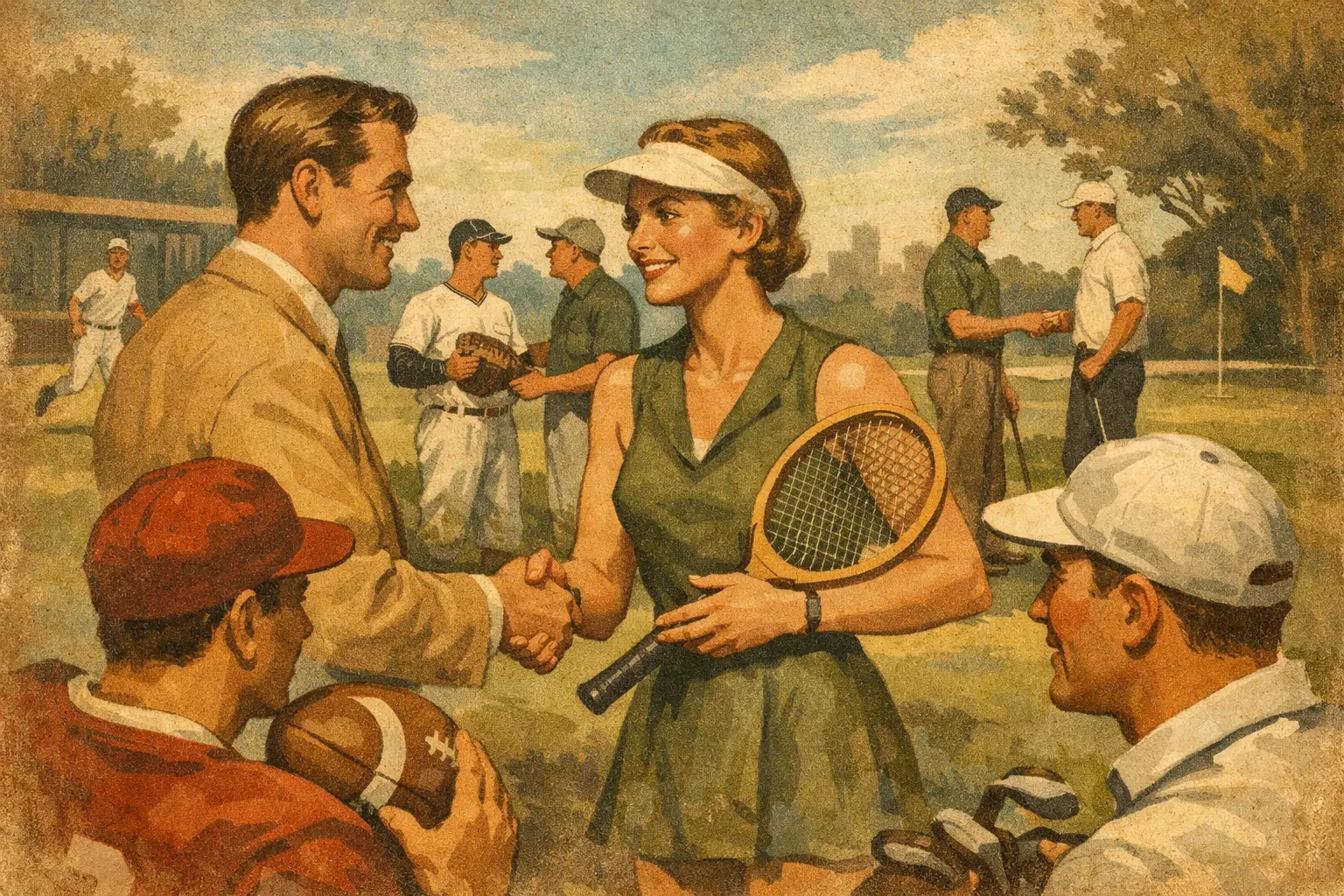
Most people don’t need more sports content. They need one reliable way to go from “I’m down to play” to “Game starts at 7.” That gap is where sports networking either works or falls apart.
If networking in sports only lives in group chats, random DMs, and half-active league pages, it creates friction fast. You forget who plays where, who’s actually consistent, which venue has open runs, and whether anyone nearby is at your level. The result is familiar - people want to play, but plans stall before they become real games.
That’s why sports networking matters more than it sounds. Done right, it’s not corporate relationship-building with a jersey on. It’s the system that helps players find courts, fields, teammates, opponents, and repeat opportunities to compete. It helps casual players become regulars, and regulars become the people who hold a local scene together.
What sports networking actually means
Sports networking is the set of connections that makes playing easier, more consistent, and more social. That can mean meeting pickup players at your local gym, finding a tennis partner while traveling, joining a soccer team that needs one more defender, or building a recurring basketball run with people who actually show up.
The best sports networking is action-based. It is less about collecting contacts and more about building trust through play. If someone is responsive, competitive in the right way, and reliable enough to show up on time, that matters more than a polished profile ever will.
That also means sports networking looks different depending on who you are. A college student may want fast pickup games and flexible schedules. A young professional may want recurring weeknight runs close to work. A sports-curious beginner may care less about rankings and more about low-pressure entry points. There is no single version that works for every player.
Why sports networking is broken in a lot of places
The problem is not lack of interest. It’s fragmentation.
Most local sports communities are split across text threads, niche apps, venue bulletin boards, social feeds, and word of mouth. One platform might be good for leagues, another for messaging, another for venue discovery, and none of them talk to each other. That setup rewards people who are already plugged in and makes it harder for new players to break in.
It also creates trust issues. You see an open run advertised, but you don’t know the level, turnout, or vibe. You hear about a team looking for players, but there’s no clear way to see how active they are. Even something simple like finding a decent place to play can turn into too much research.
For organizers, the pain is different but just as real. They need players, confirmations, reliable attendance, and some way to keep momentum between events. If the network is weak, every game feels like starting from zero.
Good sports networking creates a loop
The strongest sports communities are built on repeatability. You find a venue, join a game, meet players, get invited back, form a team, and start tracking progress over time. That loop is what turns a one-off session into a habit.
This is where many sports products miss the point. They help with discovery but not retention, or they help with scheduling but not community. Real sports networking needs both. Players want access and momentum. They want to know where to play now, but they also want a reason to come back next week.
That loop gets stronger when there’s some form of progression. Stats, ratings, achievements, and shared history give people a reason to stay engaged beyond a single event. Not everyone is chasing elite competition, but most players do like seeing improvement, earning recognition, and knowing their activity counts for something.
How to build your own sports network
If you want better results from sports networking, start by thinking smaller and more consistently. You do not need to know everybody in your city. You need a dependable base.
First, focus on frequency over scale. It is better to build a circle of ten reliable players than to join a hundred-person chat where nothing gets confirmed. Consistency creates trust, and trust creates invites.
Second, be specific. “Anybody want to play sometime?” rarely works. “Need two for indoor soccer Thursday at 8 near downtown” works much better. Specific time, place, format, and level remove hesitation.
Third, make it easy for people to say yes. If players have to bounce between multiple apps just to understand the plan, you lose momentum. The best sports networking setups reduce coordination overhead. Venue, event details, participants, and follow-up should all be easy to see.
Fourth, show up well. This sounds obvious, but it is the foundation of every local sports scene. Be on time. Communicate. Play hard without being a problem. If you organize games, start them. If you commit, don’t disappear. Reputation travels fast in sports communities, especially in pickup environments.
Sports networking for beginners versus regulars
Beginners and experienced players need different things, and strong communities make room for both.
Beginners usually need lower-pressure entry points. Open events, clear descriptions, and friendly formats matter more than rankings. If the first experience feels cliquey or chaotic, many people will never come back. Good sports networking lowers that barrier by making expectations visible before someone steps onto the court or field.
Regulars care more about fit and momentum. They want better matching, better opponents, and a smoother path from pickup play to teams or leagues. They may also want proof of consistency - who has played before, who gets solid ratings, who is progressing.
The trade-off is real. Highly curated networks can feel efficient but less welcoming. Open communities can feel inclusive but uneven. The best model gives players more ways to choose how they participate instead of forcing everyone into one format.
Why all-sports communities have an edge
A lot of sports platforms are built in silos. One app for runners, another for golfers, another for soccer players, another for rec leagues. That works if your identity is tied to one sport. It works less well if your week is more fluid.
Many people do not live that narrowly. They hoop on Tuesdays, play tennis on weekends, join a flag football game when a friend needs one more, and look for a local gym while traveling. Their social graph in sports crosses categories.
That is why all-sports networking has a real advantage. It reflects how people actually move. It also helps venues, organizers, and communities grow faster because they are not boxed into one niche. A stronger network forms when different sports share the same infrastructure for discovery, events, teams, challenges, and progression.
That builder mindset is part of why platforms like Crewters feel more aligned with how modern sports communities grow. Instead of treating users like passive consumers, the better approach is to let players help shape the product, test what works, and build the culture together.
The role of venues in sports networking
Venues are not just locations. They are anchors.
A good venue gives a local sports network rhythm. It becomes the place where people know they can find games, meet new players, and build continuity. When venue discovery is weak, communities stay scattered. When it is strong, people can organize faster and trust the plan more.
This matters even more when traveling. One of the biggest missed opportunities in sports networking is helping players plug into a city they do not know. Finding a quality court, run club, field, or challenge match while away from home should not feel like detective work.
The more visible and connected venues are, the easier it becomes for networks to grow around them.
What the best sports networking tools should do
A useful sports network should help people do six things well: find places to play, discover nearby players, create events, join games, form teams, and keep track of what happened after the game.
If one of those pieces is missing, the experience starts to break down. Discovery without scheduling creates interest without action. Scheduling without community creates one-off transactions. Community without progression loses energy over time.
The strongest tools make sports feel alive between games too. Ratings can build trust. Stats can support motivation. Trophies and achievements can make consistency more fun. Even live streaming has a place when it adds visibility and rewards participation instead of turning everything into performance theater.
Still, every feature has trade-offs. Too much gamification can feel gimmicky. Too little and the app becomes forgettable. Ratings can help accountability, but only if they are fair and tied to actual participation. The product has to support the culture, not overpower it.
Where sports networking is heading
The next phase of sports networking is not about adding more noise. It is about making local play easier to start, easier to trust, and more rewarding to sustain.
That means better identity through verified activity, not just bios. Better matching through participation history, not just broad interest tags. Better communities through shared ownership, where users help decide what gets built next because they are the ones actually creating the games, teams, and local momentum.
The platforms that win will be the ones that respect how sports really work. People join for utility, but they stay for the crew. They come for a game, then return because the network feels active, competitive, and welcoming enough to become part of their routine.
If sports networking is doing its job, it should feel less like managing logistics and more like having your next game already taking shape.