
What a Sports Venue Directory Should Do
March 7, 2026 · Chris Palmer
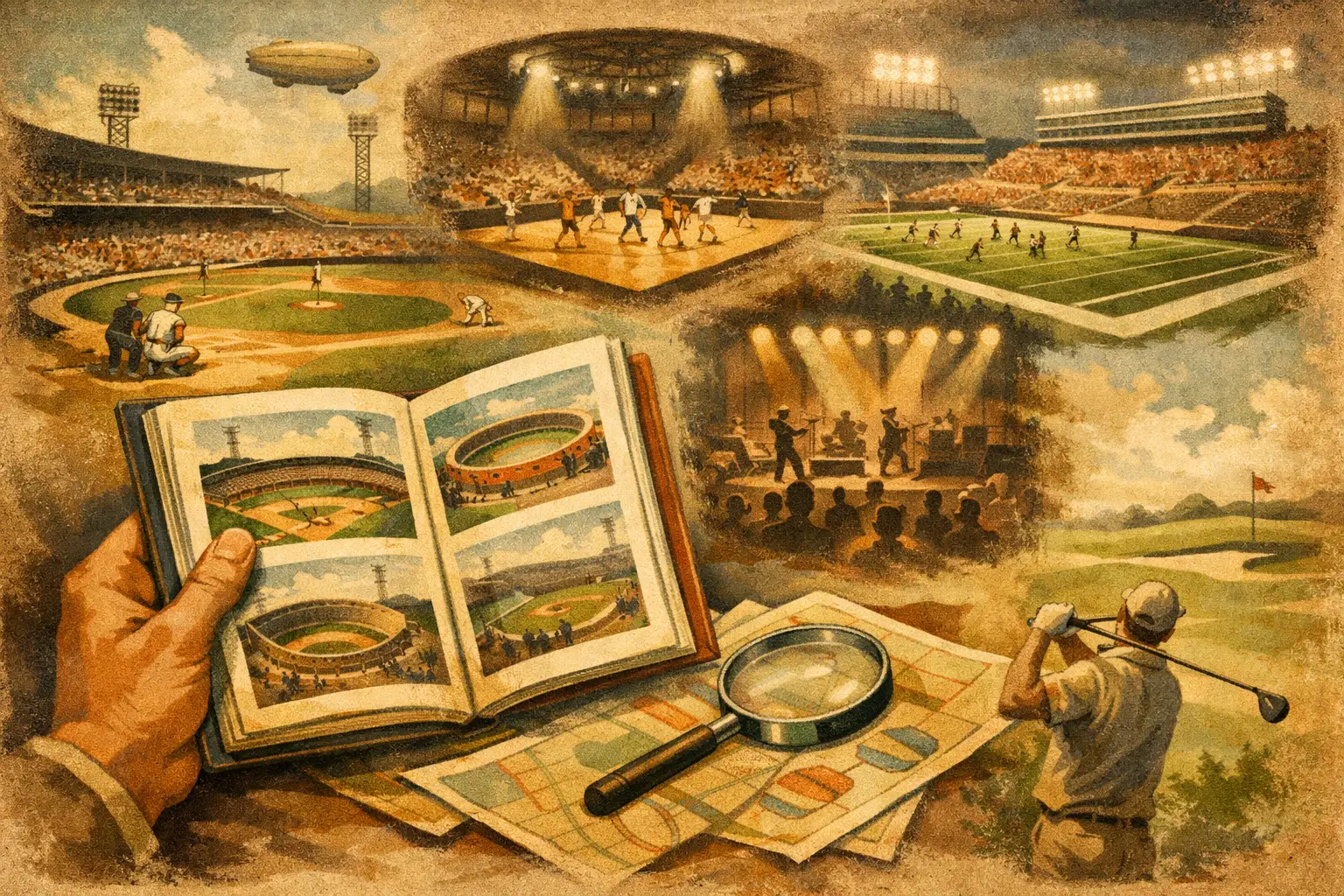
Finding a court should not feel harder than finding a flight.
If you want to hoop after work, book a tennis court while traveling, or find a soccer field where people actually show up, a basic list of addresses is not enough. Most players are not looking for a pin on a map. They are looking for a place to play, a group to join, and a reason to come back next week.
That is the real standard for a modern sports venue directory.
A sports venue directory is not just a map
A lot of directories still treat venues like static real estate. Name, address, phone number, maybe a few photos. That can help if you already know what you want. It does almost nothing if you are trying to turn free time into actual play.
Players need context. Is the run competitive or casual? Is the court usually packed? Can beginners show up without getting iced out? Does this park attract pickup games, organized leagues, or both? For sports like basketball, soccer, tennis, pickleball, volleyball, skateboarding, or niche activities, the venue matters, but the community around the venue matters just as much.
That is why the best sports venue directory does more than store locations. It helps people answer the next question after where: who is there, what happens there, and how do I get involved?
What players actually need from a sports venue directory
For most people, the job to be done is simple. They want to play. But the path to that goal changes depending on who they are.
A college student might want a nearby gym with late-night runs and enough activity to join a game fast. A young professional may need a soccer field with organized weeknight events because their schedule changes every week. A traveler might need a tennis court in a new city and a way to find a hitting partner without sending ten awkward messages. Someone new to a sport may want a low-pressure place that feels welcoming, not a venue dominated by regulars who already know each other.
A useful directory has to serve all of those moments. It should make venues discoverable, but it should also reduce uncertainty. That means better filters, more current information, and social signals that tell you whether a place fits your level and your vibe.
A simple address database can be built quickly. A sports venue directory that helps people show up with confidence takes more thought.
The right filters save people from wasting time
Search by sport is the baseline, not the finish line. People should be able to narrow by indoor or outdoor play, surface type, lighting, skill level, hours, amenities, and whether a venue supports pickup games, leagues, or training.
This matters more than it sounds. A basketball player looking for a serious full-court run has a different need from someone trying to get shots up alone. A tennis player may care about hard court versus clay. A soccer player might need turf because cleats and schedule are already set. If the directory cannot reflect those differences, players end up scrolling past bad options and dropping the search altogether.
Reviews should help with fit, not just quality
Most review systems are too generic for sports. A five-star rating does not tell you much if you are deciding whether to drive 25 minutes for a game.
Better venue feedback is specific. Was the competition level balanced? Were the facilities well-maintained? Did games start on time? Was it beginner-friendly? Was parking easy? Did the crowd make it feel welcoming or closed off? Those details shape whether someone returns.
There is a trade-off here. Open reviews can be messy or biased, especially in competitive spaces. But no player wants polished venue copy that hides what the experience is actually like. The best approach is structured feedback that gives useful context without turning every review into a rant.
The best venue directories connect places to people
This is where most products fall short.
A sports venue directory becomes dramatically more useful when venues are connected to activity. Not just where a place is, but what is happening there now, this week, and on repeat. That means pickup events, challenges, teams, leagues, and visible player communities tied to each location.
If a venue profile shows recurring basketball runs on Tuesdays, tennis ladders on Saturdays, and a local organizer who hosts beginner soccer sessions on Sundays, that changes everything. Suddenly the directory is not passive. It becomes a participation engine.
For players, that removes the hardest part of recreational sports: coordination. For organizers, it turns a venue page into a recruiting surface. For venues, it creates more consistent usage and stronger local engagement.
That connection between place and participation is where products like Crewters can feel different. The venue is not the end of the journey. It is the starting point for events, challenges, teams, leagues, stats, trophies, and all the reasons people keep coming back to play.
Why all-sports matters more than people think
A lot of sports products are built in silos. One app for running, another for pickup basketball, another for tennis, another for leagues. That can work if you only play one sport and your habits never change.
Real life is messier. People cross over. Your weekday sport might be basketball, your weekend sport might be soccer, and your travel sport might be tennis because that is what is easiest to book. Some people are competitive in one sport and casual in another. Some are trying new activities for the first time and do not want to download a different app every time curiosity hits.
An all-sports sports venue directory reflects how people actually move. It also helps smaller communities grow. Niche sports often struggle because discovery is fragmented. If those venues and communities live inside a broader network, they get more visibility and lower barriers to entry.
That is good for players who want variety. It is also good for the ecosystem. More discoverability means more participation, and more participation gives venues and organizers a stronger reason to invest.
Good venue data is hard, and that matters
There is no point pretending this is easy.
Venue information changes constantly. Hours shift. Courts close for maintenance. Fields get repainted. Community centers change booking rules. A spot that had strong pickup last month can go cold if the organizer moves away. The challenge is not just creating a directory. It is keeping it alive.
That is why community input matters. Players notice broken lights, dead runs, hidden fees, and the best times to show up long before a centralized database does. Organizers know when a venue is heating up. Venues know when they add programming. If users can contribute updates, report issues, and shape what data gets prioritized, the directory gets sharper over time.
There is a trade-off here too. Community-edited systems need moderation and smart incentives. But for sports, built-in public feedback often beats stale perfection on paper.
What makes a sports venue directory worth using weekly
The test is simple: does it help you play more often?
If the answer is yes, it is doing its job. That usually means a few things are working together. Discovery is fast. Venue details are current. Social proof feels relevant. Events are easy to join. Players can challenge each other directly. Teams and leagues are visible, not hidden behind disconnected sign-up flows. Progress feels measurable, whether that means attendance, wins, stats, or achievements.
That last part gets underrated. People come for access, but they stay for momentum. When a directory is tied to participation and progression, it stops being a utility and starts becoming part of a sports routine.
For some players, that routine is serious competition. For others, it is finally finding a low-pressure place to get active twice a week. Both are valid. A strong product should support both without forcing everyone into the same lane.
The future of the sports venue directory is community-led
The next version of this category will not win because it has the most venue pins. It will win because it does the best job connecting venues, players, organizers, and repeat activity in one place.
That means treating users like contributors, not just traffic. Let them help improve venue data. Let them surface what is missing. Let them vote on what features matter next. Sports communities are local, but the tools that support them should improve globally as more people participate.
If we want sports apps to be fun again, the standard has to be higher than searchable addresses. A sports venue directory should help you find your spot, find your people, and get in the game without friction.
That is the bar. If a product clears it, you will not need a reminder to come back next week.