
How to Organize a Last Minute Sports Meetup
April 15, 2026 · Chris Palmer
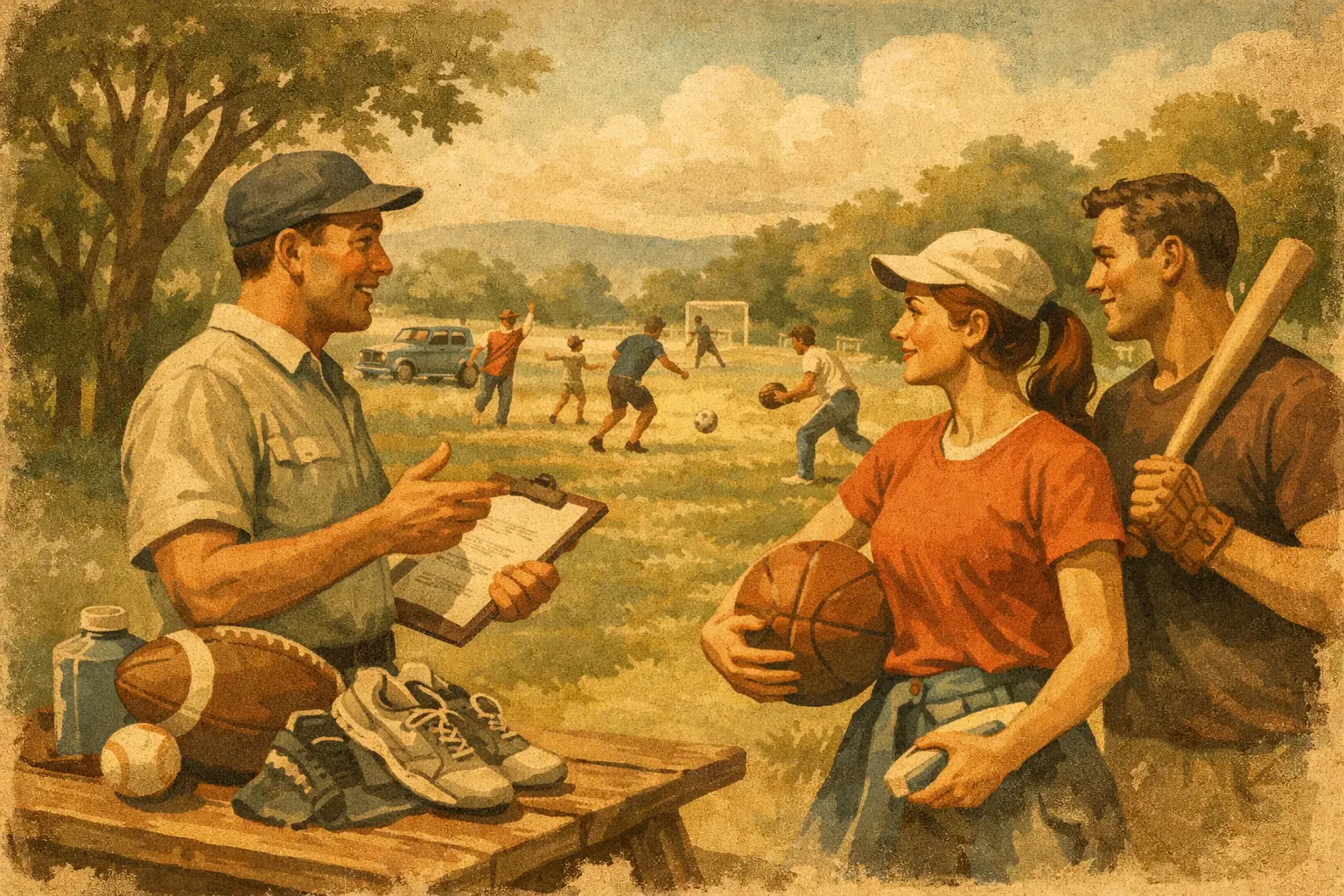
You had the idea at 3:40. By 6:00, you want people on the court, field, or trail actually playing. That gap between “we should run something” and a real game is exactly where most plans die. If you want to organize a last minute sports meetup, speed matters, but clarity matters more. People will join fast when the plan feels real.
A last-minute meetup is not a watered-down version of a league game. It is its own format. The goal is not perfect attendance, balanced rosters, or a week of planning. The goal is simple: get enough of the right people to the right place at the right time with as little friction as possible. If you build around that, pickup energy takes over.
What makes a last minute sports meetup work
Most failed meetups do not fail because nobody wanted to play. They fail because the organizer sent a vague message, picked a bad time, or waited too long to confirm details. People are busy. They can say yes to a clear plan in 20 seconds. They usually ignore a maybe.
The fastest way to organize last minute sports meetup plans is to reduce every decision to essentials. What sport are you playing? Where is it happening? What time should players arrive? How many people do you need for it to work? What happens if extra players show up? If your invite answers those questions immediately, you are already ahead of most group chats.
There is also a trade-off worth admitting. The more inclusive and open your event is, the harder it can be to control reliability and skill balance. The tighter you make it, the faster you can lock a solid game, but you may miss new players who would have joined. It depends on the sport and what kind of session you want. A casual basketball run can absorb surprises. Tennis doubles usually cannot.
Start with the minimum viable game
Think like a builder, not a perfectionist. You do not need a full tournament. You need a playable version of the sport.
For basketball, that might mean 6 to 10 players, not a dream list of 15. For soccer, maybe it is a small-sided game instead of a full 11v11 setup. For volleyball, maybe it is grass doubles or triples if the full crew is not available. The mistake is planning for the ideal version when the real opportunity is a smaller, faster version that still gets people moving.
This is where experienced organizers win. They know the threshold number that makes a game worth showing up for. Once you know that number, recruiting becomes easier because you are no longer chasing “as many as possible.” You are trying to hit a target.
Pick the easiest venue, not the coolest one
A last-minute meetup lives or dies on convenience. The best venue is usually the one people already know, can get to quickly, and trust will be usable when they arrive.
That means a familiar park court often beats the trendy spot across town. A public soccer field with easy parking often beats the better turf that requires reservations. If there is any uncertainty about access, lights, fees, or crowding, say that upfront. Surprises kill turnout because people assume the event is disorganized.
If you are coordinating through a sports network like Crewters, the advantage is obvious: players can discover venues, see what fits their sport, and move from interest to action faster. That matters when your whole event window is just a few hours.
Still, venue choice is always a trade-off. A central location may be easier for more people but busier once you get there. A quieter location may produce a better game but lower attendance. For a same-day meetup, convenience usually wins.
Write the invite like a commitment, not a brainstorm
This is where most organizers lose momentum. They send something like, “Anybody down to hoop later?” That sounds casual, but it creates work for everyone else. Players now have to ask where, when, who is coming, what level it is, and whether it is real.
A better message sounds like this in plain language: basketball at 6:30 PM, arrive by 6:15, public court at the park on Elm, need 8 players minimum, all levels welcome, confirm if you are in. That is it. Not polished marketing. Just a complete plan.
Good invites do three things. They remove uncertainty, create urgency, and make responding easy. If someone has to think too much, they wait. If they can instantly picture themselves there, they commit.
You also want to avoid overexplaining. Too much detail can make a casual pickup feel heavy. Give enough information to make the decision easy, then move people toward a yes or no.
Fill the first few spots fast
Momentum is social proof. Once two or three solid players commit, everyone else takes the meetup more seriously. Before you blast a wider group, start with your most reliable people. Get your anchors in place.
This is especially useful in sports where quality matters to turnout. In tennis, if one known player commits, the other spot fills faster. In basketball, if a few regulars are in, fringe players stop worrying that the run will be weak. In soccer, one person volunteering to bring a ball or pinnies instantly makes the event feel more real.
There is no shame in staging the launch this way. You are not manufacturing hype. You are lowering uncertainty. Same-day players want to know the game will actually happen.
Set a hard confirmation deadline
When time is short, maybe is almost the same as no. Give people a clear cutoff. Confirm by 5:00. If we hit eight, we play. If not, we push.
That simple line changes behavior. It makes the event feel organized, and it protects everyone from the worst outcome: half-committed players showing up to an empty court. People respect organizers who make a call instead of dragging the chat into endless waiting.
If your meetup is open to extras, say that too. You can confirm a core group, then allow subs, rotations, or next-game priority. Last-minute sports culture works best when expectations are visible.
Match the format to the crowd you can actually get
A smart organizer adapts. If turnout is lighter than expected, do not cancel automatically. Adjust the format.
Three players for basketball can still mean half-court work, king of the court, or shooting games. Four players for soccer can become small-goal drills and 2v2. Six players for volleyball can become a tight, fun rotation game. The players who do show up will remember that you made it work, and that trust helps future meetups fill faster.
That said, sometimes the right call is to pull the plug early. If your sport depends heavily on numbers or booked space, forcing it can make people less likely to say yes next time. It depends on whether the revised session still feels worth the trip.
Keep the communication tight right up to game time
Once the event is on, keep messaging short and useful. Confirm the player count. Mention weather if it matters. Let people know if you are bringing a ball, cones, or extra gear. Tell them where to park or which court you claimed if the venue is big.
Do not keep reopening decisions after people commit. Nothing drains confidence faster than changing time, place, and format every 15 minutes. If you have to adjust, make one clear update and stick to it.
A good last-minute organizer acts like a point guard. Move the play forward. Keep everyone aligned. Reduce noise.
After the meetup, make the next one easier
The real win is not one spontaneous game. It is building a repeatable pattern where people trust that when you post, the event is real.
After the session, note what worked. Which venue was easiest? What time got the best response? Who was reliable? What sport formats were flexible when numbers changed? This is how a random pickup turns into a community habit.
If your platform lets players track participation, rate experiences, form teams, or challenge each other again, that post-game layer matters. It gives the meetup a second life. Players go from one-off attendance to ongoing accountability, and that is where real local sports communities start to form.
The best part of learning to organize last minute sports meetup plans is that it changes how people experience sports entirely. Instead of waiting for leagues, perfect schedules, or someone else to make the first move, you become the person who gets games going. Start smaller than you think, be clearer than feels necessary, and give your crew a reason to say yes today.