
The Future of Pickup Sports Apps
April 12, 2026 · Chris Palmer
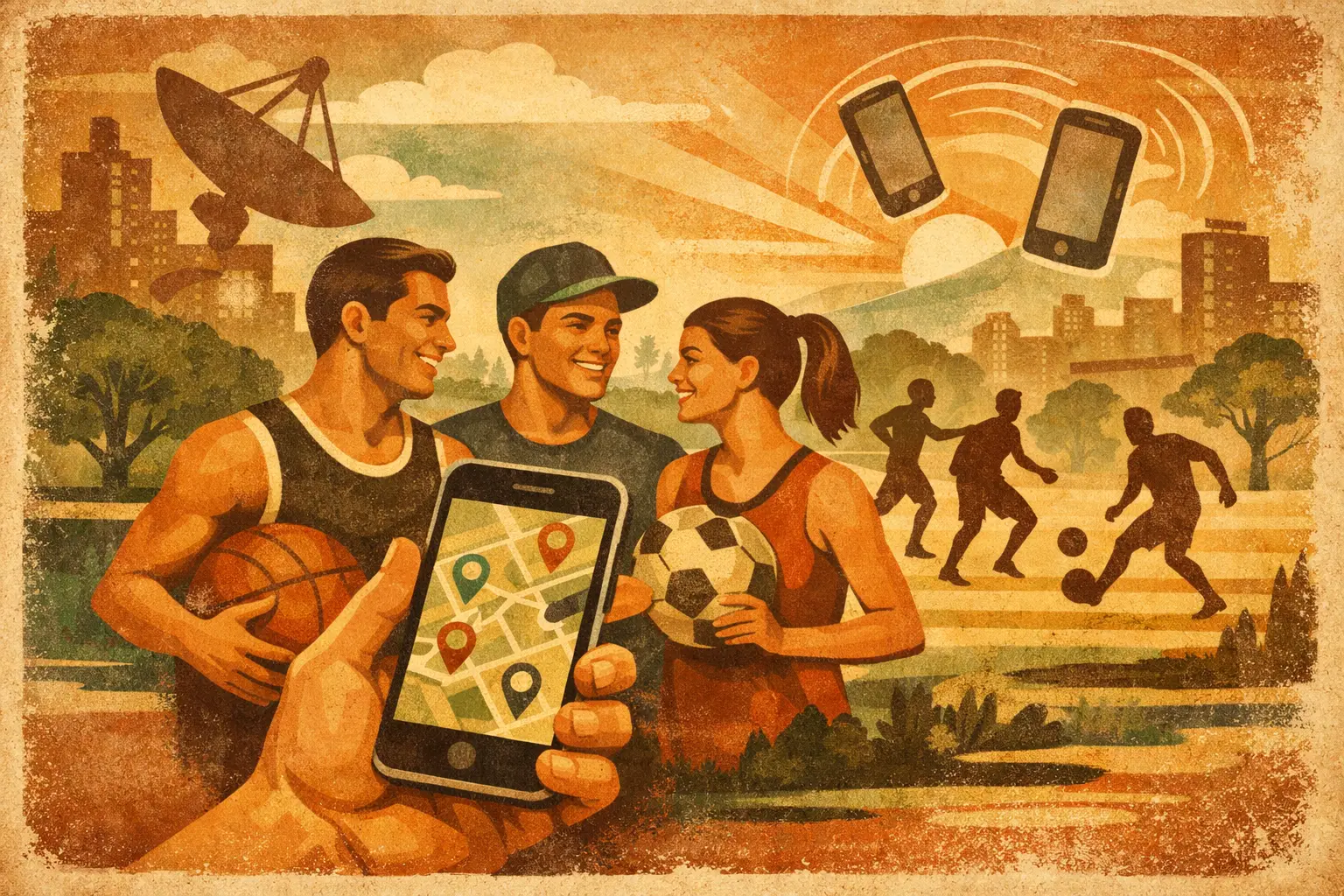
A great pickup game still falls apart for the same old reasons - too many texts, not enough players, no clear host, and no easy way to know who is actually showing up. That is exactly why the future of pickup sports apps matters. The next wave is not just about putting schedules on a phone. It is about turning intent into action faster, making local sports communities easier to join, and giving players a reason to come back after the final whistle.
What the future of pickup sports apps really looks like
The category is moving beyond simple group chats and one-sport booking tools. For years, most players had to piece together their sports life across scattered platforms - one app for messaging, another for leagues, another for court bookings, and maybe a spreadsheet or social feed somewhere in between. That setup works until it does not. The moment you travel, switch sports, or want to play with new people, the friction shows.
The future of pickup sports apps is a connected sports layer, not a single feature. Players want to find a venue, join a game, challenge another player, build a team, and track how they are improving without starting from zero every time. That matters for basketball runs, tennis matches, soccer scrimmages, and the smaller communities that usually get ignored by sport-specific apps.
This is also where multi-sport platforms gain an edge. Most people are not just one thing forever. They hoop on Wednesdays, play soccer on weekends, and try something new with friends when the weather changes. Apps that understand that behavior will build stronger network effects than apps that only serve one lane.
From coordination tool to sports network
The biggest shift ahead is that pickup apps will stop acting like utilities and start acting like real sports networks. A utility solves one moment. A network compounds over time. That difference matters.
If an app only helps you fill eight spots for tonight, it is useful. If it also helps you discover reliable players, see who matches your skill level, track your activity, build a reputation, and get invited into future games, it becomes part of your routine. That is when retention improves, and that is when local communities stop feeling random.
For players, this means less guesswork. You will know whether a game is casual or competitive. You will know who usually flakes and who always brings energy. You will know whether a venue consistently hosts good runs or if it is dead on weeknights. These details are what make people trust a sports app enough to use it weekly instead of once.
For organizers, the value is even bigger. Hosting gets easier when attendance patterns, player ratings, and repeat groups start to form around your events. Good organizers are community builders, and better software should help them act like it.
Better matchmaking will decide who wins
Most pickup apps talk about discovery. Fewer actually solve matchmaking. That is the harder problem, and it is where the category will separate.
Good matchmaking is not just location-based. It also depends on skill level, consistency, preferred format, time windows, competitiveness, and social context. A player looking for a serious 5-on-5 run after work does not want the same experience as someone trying a beginner tennis meetup for the first time. Treating both as equal search results creates bad games and quick churn.
The next generation of apps will get more precise. They will understand whether you want ranked competition, casual cardio, doubles only, women-led groups, college-area runs, or early morning sessions before work. They will also get smarter about trust signals. Verified attendance, post-game ratings, challenge history, and participation streaks all help paint a fuller picture than a bio ever could.
There is a trade-off here. More filtering can improve fit, but it can also make communities feel gated if it is handled badly. The best platforms will keep the front door open while still helping players find the right level and the right crew.
Stats, trophies, and progression are not extras
A lot of sports products still treat stats and achievements like side features. That misses what motivates people. Progress matters, even in casual play.
If you are trying to get more active, showing up three times a week is progress. If you are competitive, a challenge win streak matters. If you are building a local reputation, player reviews and event history matter. The future of pickup sports apps will reward all of those behaviors, not just final scores.
This is where gamification actually earns its place. Not cheap badges for clicking around, but meaningful recognition tied to participation, consistency, improvement, and community value. Trophies for hosting. Streaks for showing up. Achievements for trying new sports. Visible milestones for team play and league progression. These systems give users momentum, and momentum is what turns casual interest into habit.
Done right, progression also helps newer players feel included. Traditional sports culture can be intimidating when everyone else already knows the format, the pecking order, and the regulars. A smart app lowers that pressure by making growth visible and entry easier.
Venues will become part of the product
Pickup sports apps that ignore venues will hit a ceiling. Games need places to happen, and venue discovery is still messier than it should be.
The strongest platforms will treat venues as active participants in the network. That means accurate listings, live activity signals, reviews from actual players, and context around what each space is best for. Is the court usually packed after 6 p.m.? Are lights available? Is the field good for organized runs or better for small-sided games? Those details shape turnout.
There is also a business case here. Venues want traffic, repeat users, and visibility with the right audience. Players want confidence that the location fits the game they are joining. When those interests line up, the app becomes more than a social layer. It becomes the place where demand and supply for local play actually meet.
Live content and reputation will matter more
We are also heading toward a world where pickup sports is more visible. Live streaming, clips, and post-game highlights are becoming part of everyday sports behavior, especially for younger players who already document everything else they do.
That does not mean every run needs to become a content production. It does mean the best apps will give players ways to share moments, build identity, and earn recognition from real participation. A challenge win posted to your profile means more when it is connected to an actual event, real opponents, and community feedback.
Reputation systems will grow with this trend. Player ratings, organizer reviews, and event quality signals can improve trust fast. But they need thoughtful design. If ratings become popularity contests or punishment tools, they hurt the community. If they focus on reliability, sportsmanship, and level fit, they can make open play better for everyone.
Community-led apps will outrun closed products
The sports apps that feel alive in the next few years will not be built behind closed doors. They will be shaped with their users, not just marketed to them.
That is especially true in pickup sports because local behavior varies so much. What works for basketball players in Brooklyn may not fit tennis players in Austin or futsal players in Miami. The only way to build a product that actually reflects those differences is to keep a live feedback loop with the people using it.
This is where builder energy matters. Early adopters do not just want access. They want influence. They want to vote on features, test new flows, and help shape what gets built next. That kind of collaboration creates better products, but it also creates stronger loyalty. People stick around when they feel like they are helping build something for their own community.
That is a big part of what makes platforms like Crewters interesting. The opportunity is not just to list games. It is to build a multi-sport network where events, challenges, teams, leagues, stats, trophies, venues, and feedback all reinforce each other.
What users should expect next
Over the next few years, expect pickup sports apps to get better at three things: reducing friction, increasing trust, and making participation more rewarding. Not every app will nail all three. Some will be great for scheduling but weak on community. Some will build strong social features but struggle with quality control. The winners will be the ones that make playing easier while making the experience feel more personal and more worth repeating.
That future is not about replacing the spontaneity of pickup sports. It is about protecting it from the chaos that keeps people home. The best apps will help more games happen, help more players feel welcome, and help more communities grow around shared play.
If you care about sports being more social, more accessible, and more fun again, this is the moment to join early, test what is being built, and help shape the tools you actually want to use.