
7 Sports App Feedback Loop Examples That Work
July 17, 2026
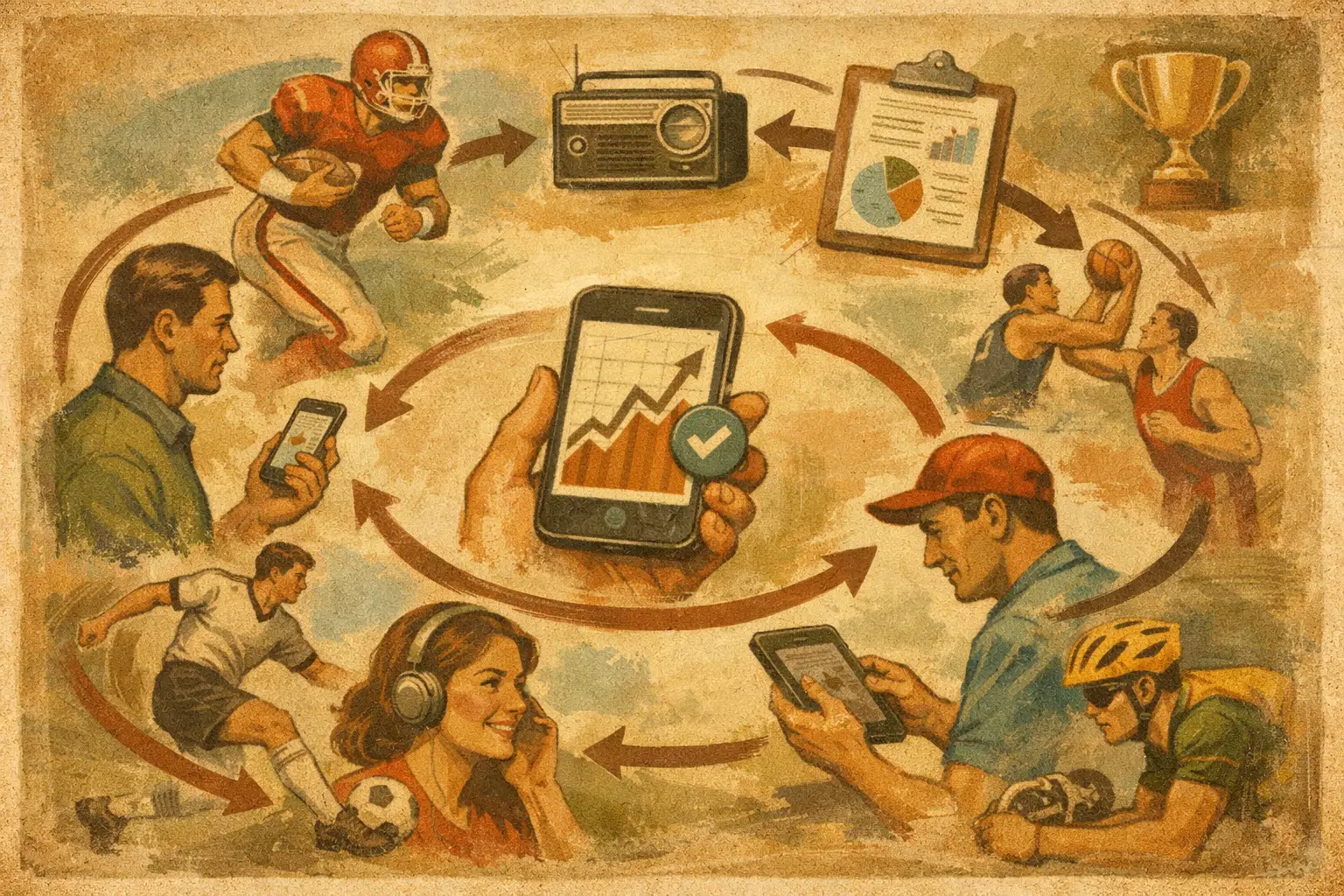
A player opens an app because they want a game this week. They should leave with more than a fixture: a reason to return, a clearer sense of progress and another connection to the local sports community. That is what the best sports app feedback loop examples get right. They turn a single action - joining a pickup match, setting a goal or rating a teammate - into useful momentum for the next one.
For a community sports app, growth is not just about downloads. It is about helping more people get from “I should play” to “I’m booked in”. The strongest feedback loops make that habit easier while keeping the experience social, fair and fun. Here are seven examples worth building around.
What makes a sports app feedback loop work?
A feedback loop is a cycle where an action creates a result that encourages another action. In sport, the action might be joining a five-a-side game. The result could be new teammates, updated stats, a better player rating or an invitation to the next session. If that outcome feels valuable, the player comes back.
The catch is that reward alone is not enough. A badge for opening an app is forgettable. A trophy earned after turning up for three evening runs, or a rating that helps someone find reliable opponents, has a real connection to participation. Good loops reward the behaviour that makes the community better for everyone.
7 sports app feedback loop examples to build on
1. Event discovery leads to repeat play
The most direct loop starts with discovery. A player finds a local basketball run, tennis hit or casual football session, joins in and has a good experience. Afterwards, the app shows similar events nearby, notifies them when the organiser posts another game and makes it simple to invite someone they met.
This works because the first event removes uncertainty. A newcomer does not need to wonder whether they will fit in, where the venue is or whether enough people will turn up. Once they have played, joining again feels far less risky. For organisers, regular attendance also makes it easier to fill future events, creating a healthier supply of games.
The trade-off is notification fatigue. Alert people about games that genuinely fit their sport, ability, location and availability, rather than treating every event as equally relevant.
2. Post-match ratings create better matchmaking
Ratings can be useful when they answer a practical question: who is a good person to play with? After a match, players can rate opponents and teammates for qualities that matter in community sport, such as reliability, sportsmanship and ability. Over time, that feedback helps create more balanced games and lets organisers make better calls.
The loop is simple. Better conduct and attendance lead to stronger ratings. Stronger ratings lead to more invites, better-matched challenges and greater trust from other players. That gives people a reason to show up on time, play fairly and follow through.
This can go wrong if ratings feel like a popularity contest. Keep the criteria clear, avoid over-emphasising a single score and give players a way to build trust through consistent participation. A player who is new to the app should not be shut out because they have not yet had the chance to earn a reputation.
3. Personal stats turn activity into progress
Many recreational players are competitive, even when nobody is keeping league tables. Tracking matches played, wins, streaks, goals or sport-specific milestones gives players a visible record of their effort. The feedback loop is not just “play, get a number”. It is “play, see improvement, set a fresh target, play again”.
A tennis player might aim to complete four sessions in a month. A football player may want to improve their win rate with a new team. Someone returning after a long break may simply want to rebuild a weekly routine. These goals should be flexible enough to meet players where they are.
Stats need context. Wins can motivate established teams, but they can discourage beginners who are still learning. Participation streaks, personal bests and completion goals give more people a fair path to progress.
4. Trophies reward the behaviours that grow a community
Achievements work best when they celebrate contribution, not just performance. Winning a league can deserve recognition, but so can hosting a first event, welcoming new players, completing a challenge or trying a new sport. Those are the behaviours that make an all-sports community more active and more welcoming.
Picture a player who joins their first pickup volleyball session, then creates a second event because they cannot find one at a suitable time. When that game fills, they earn a community-builder trophy. The recognition reinforces a useful action, and the next player now has another opportunity to play.
Do not flood users with meaningless badges. A smaller set of trophies with clear stories behind them feels more credible. The reward should say something about the player’s journey, not just their screen time.
5. Direct challenges turn rivalry into a reason to return
A friendly challenge gives players a concrete next move. After a close padel match, one player challenges the other to a rematch next Thursday. After a basketball run, two crews set a score target for the following week. The challenge creates a date, a narrative and a reason for both sides to turn up.
This loop works because sport is naturally social and competitive. It also creates content that is more personal than a generic prompt. “Your rival wants a rematch” has more energy than “Come back to the app”.
The key is keeping challenges inclusive. Let players set the tone, from casual rematches to structured competitive fixtures, and make declining easy. Competition should add excitement, never pressure.
6. Team and league activity builds belonging
A one-off game is useful. A team gives people a place to belong. When players join a team, see upcoming fixtures, contribute to results and follow a league table, their individual activity becomes part of a shared story. That story brings them back between matches.
The loop grows stronger when teams can recruit, arrange games and celebrate milestones in one place. A team that needs one more player posts an opening. A new player joins, plays their first fixture and becomes more likely to stay because others now expect them next week. Regular leagues create the same rhythm, especially for players who want structure without the barriers of a traditional club.
There is a balance to strike. Established teams should be able to deepen their identity, while solo players must still have a clear route into the group. Open events and team discovery are essential to stop community sport becoming a closed circle.
7. Live moments and feedback shape the product itself
The most powerful loop can happen beyond the match. Players stream a game, share a highlight, earn a reward and spark interest from others who want to join the next event. That creates social proof: real people playing real sport at real venues, rather than an empty directory.
Then there is product feedback. Early users spot the friction first. Maybe organisers need a faster way to confirm attendance. Maybe players want a clearer skill-level filter, or a new sport category that is missing locally. When users can vote on priorities and see their input reflected in the roadmap, they have a stake in what comes next.
That is the builder loop: use the product, identify a better version, help shape it, then return to use the improvement. At Crewters, this matters because an app covering 122 sports cannot be designed well from a boardroom alone. Each local community knows what makes its games work.
How to keep the loop useful, not manipulative
A healthy sports app loop respects the player’s time. It should help them play more often, find better company and feel recognised for genuine effort. If the app pushes endless alerts, hides useful features behind artificial streaks or turns every interaction into a contest, it risks making sport feel like another chore.
Start with one valuable action and follow it through. If someone creates an event, help them fill it, run it and bring those players back. If someone completes a challenge, record the outcome and offer a sensible next step. If someone gives feedback, show that it has been heard.
The best loops are not tricks. They are proof that a sports community is alive: people are organising, competing, improving and making space for the next person to join. Build that cycle with your crew, and every match can lead to the one after it.