
Pickup Game Etiquette Guide for Newcomers
April 1, 2026
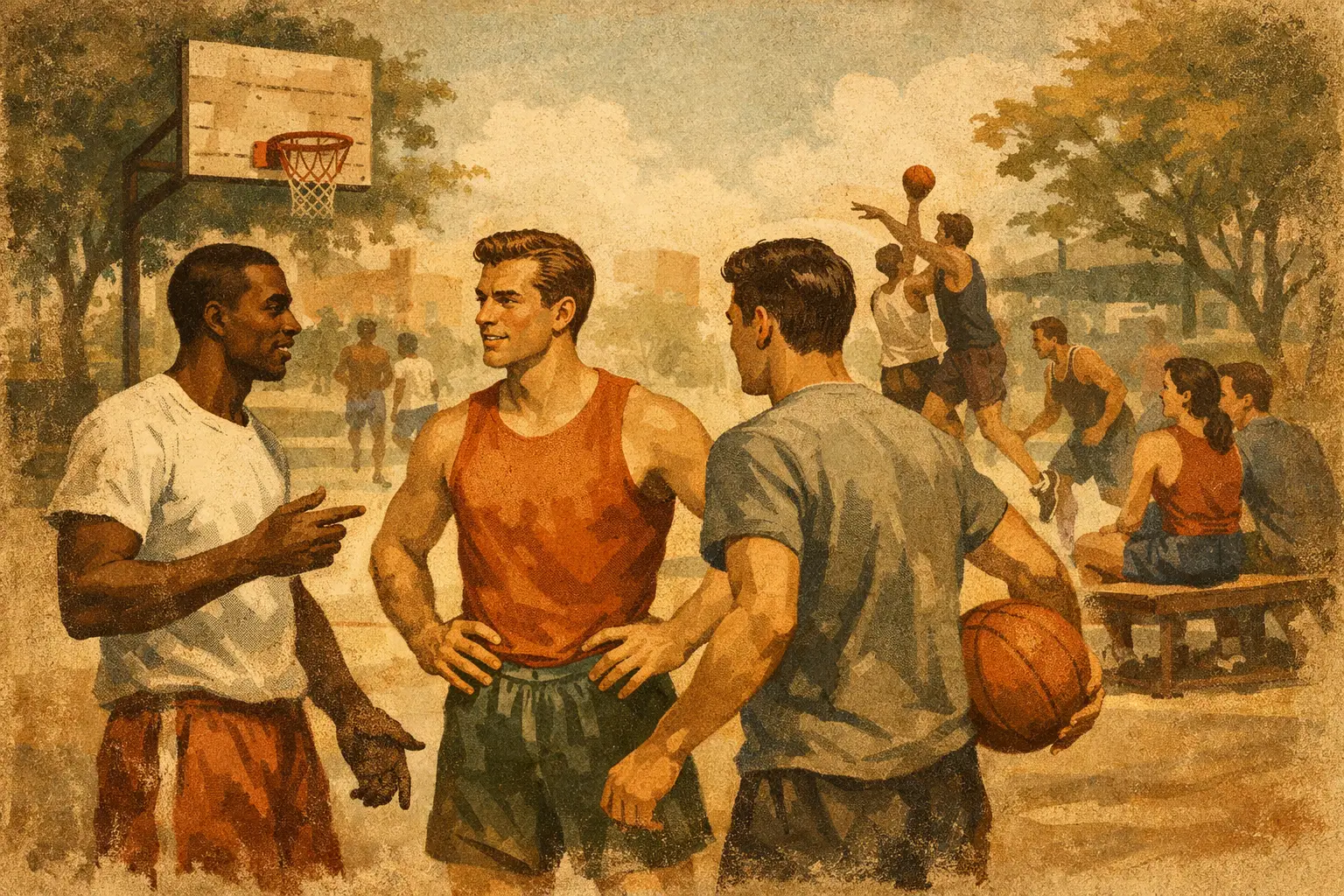
You show up to the court, field, or gym with decent shoes, good intentions, and one quiet question: how do you join without looking clueless? That is exactly why this pickup game etiquette guide for newcomers exists. Pickup sports are supposed to be low-friction, but every run has its own rhythm, and reading that rhythm is what gets you invited back.
The good news is you do not need to be the best player to belong. In most pickup scenes, people remember whether you were respectful, reliable, and easy to play with long before they remember your stat line. Skill matters, sure. But etiquette is what turns a stranger into part of the crew.
Why pickup etiquette matters more than talent
Pickup games run on trust. There is no ref most of the time, no long onboarding, and usually no one getting paid to organize personalities. The game works because everybody agrees, loosely or explicitly, to protect the run. That means showing up ready, calling things honestly, sharing the ball, and not turning every minor disagreement into a courtroom drama.
If you are new, this matters even more. Regulars are trying to figure out whether you make the session better or harder. A newcomer who hustles, communicates, and respects the flow gets another game. A newcomer who argues every call, disappears on defense, or hijacks possessions gets remembered too - just not in the way they want.
Before you ask to play, read the room
The fastest way to fit in is to observe for a few minutes. Watch how teams are chosen, how winners stay or rotate, whether people call their own fouls tightly or loosely, and how competitive the run feels. Some groups are all business. Others are social and loose. Most are somewhere in between.
This is where a pickup game etiquette guide for newcomers needs to be honest: there is no universal script. Basketball at an outdoor park does not feel the same as indoor soccer after work, and neither feels like open tennis doubles with strangers. The core principle is simple, though - adapt before you assert yourself.
If there is a clear organizer, ask them how runs work. If there is not, ask a regular between games, not in the middle of live play. Keep it short. Something like, "How are you guys rotating?" or "Got room for next game?" works because it shows respect without making the moment about you.
The first rule is still the oldest one: be ready
Nothing annoys a pickup group faster than someone who claims next and then starts stretching, changing shoes, filling a bottle, or taking a phone call. If you want in, be ready when your turn comes. That sounds obvious, but it is one of the most common mistakes newcomers make.
Ready also means bringing the basics. Water, appropriate gear, and enough self-awareness to know your current fitness level all matter. If you have not played in months, do not act like you can go full speed for two hours. Pace yourself. There is no shame in managing your energy. There is a problem, though, when you pretend to be ready and then leave your team short on effort.
How to join without forcing your way in
There is a difference between confidence and entitlement. Confidence says, "I am here to play if you have room." Entitlement says, "I just got here, so reorganize your whole system around me." Pickup communities notice that difference immediately.
If there is a queue, respect it. If teams are already set, do not lobby to break them up because you want a better matchup. If the level is clearly way above yours, be realistic. You can still ask whether there is a later run, a second court, or a more casual group that usually forms. People are often more welcoming than newcomers expect, especially when the ask is reasonable.
This is part of what we are building back into sports culture - making it easier to find your level, your people, and your next game without all the awkward guessing. But even with better tools, the social side still matters. Good etiquette lowers the barrier for everyone.
During the game, simple habits earn trust fast
You do not need a long list of rules to play pickup the right way. Most of it comes down to a few repeatable habits.
Call things honestly. If the ball went off you, say so. If you fouled someone, own it. Self-officiated games fall apart when everyone becomes a part-time lawyer.
Share the ball. You do not need to pass up every shot, but hero ball is one of the easiest ways to lose a group. Newcomers sometimes overcompensate by forcing plays to prove they belong. Ironically, the quickest proof is usually making the right simple play.
Play defense with effort. Even in casual runs, people can forgive missed shots faster than lazy transitions and half-hearted closeouts. Hustle travels across every sport.
Talk, but keep it useful. Call switches, warn teammates, say "one more" on a pass, or check whether someone is good after contact. Constant complaining, coaching strangers aggressively, or narrating every mistake is a fast way to wear people out.
Know the line between competitive and annoying
Pickup should have energy. Trash talk can be part of that. So can intensity, hard close games, and real pride in winning. But intensity without control usually wrecks the session.
A good test is whether your competitiveness adds to the game or narrows it. Competitive players keep standards high, sprint back, and make everybody sharper. Annoying players escalate every bump, take losses personally, and make the whole run tense. If people start avoiding your team, that is feedback.
For newcomers, it is smarter to start slightly more restrained than slightly more heated. You can always match the group once you understand its tone. The reverse is harder. Once people decide you are a problem, skill will not save your reputation.
Pickup game etiquette guide for newcomers in team selection
Team selection is where a lot of unnecessary friction starts. If captains are choosing, do not sulk if you are picked late. If teams are random, do not immediately suggest a redo because you dislike the balance. If the run uses a winners-stay format, accept that some waits are part of the deal.
There are fair complaints, of course. If the same insiders stack teams every time, newer players can feel frozen out. If that is happening, address it calmly and at the right moment. Not every issue is worth a confrontation, but not every bad system should go unchecked either. It depends on whether the group seems open to making the run better.
If you become a regular, remember this from the other side. Welcoming newer players is good etiquette too. Healthy pickup scenes grow because experienced players leave room for people to enter, learn, and improve.
Disputes happen. Handle them like someone people want back
A bad call, a rough foul, confusion about score - these happen in every sport. What matters is how long they hijack the game. Most arguments in pickup are less about the original issue and more about ego refusing to let go.
Keep your response short. State what you saw once, maybe twice, and then move forward. Replaying the same point with more volume rarely changes the outcome. If the game is getting heated, suggest a check ball, replay the point, or defer to the usual local rule. The best regulars are not the loudest. They are the ones who keep things playable.
If you were wrong, reset fast. A quick "my bad" carries a lot of weight. It shows maturity, and it keeps the game from turning into a personal feud.
After the game, your reputation keeps playing
Pickup etiquette does not end at the final point. Thank your teammates. Acknowledge good runs. If someone got knocked around, check on them. If you said you were staying for another game and need to leave, let people know instead of vanishing.
This postgame window is also when community starts. A quick intro, a rematch plan, or a casual "you guys usually run here on Thursdays?" can turn one appearance into a routine. For a lot of adults, especially in a new city or during busy work stretches, that is the real value of pickup. It is not just exercise. It is access.
And if you are using a platform to find games, this is where accountability matters. Show up when you say you will. Rate fairly. Help make the next game easier to trust than the last one.
What newcomers get wrong most often
Most mistakes are not about ability. They are about misreading what the group values. New players often think they need to impress everybody immediately. Usually, they just need to avoid making the game worse.
That means not overcalling fouls, not treating every possession like a tryout, not coaching people you just met, and not assuming all pickup culture is the same. It also means understanding that some groups are truly casual while others are basically unofficial leagues without paperwork. Neither is wrong. You just need to know which one you joined.
The best approach is simple: show respect, compete honestly, and leave the run better than you found it. Do that a few times, and you stop being the newcomer. You become someone the group counts on - and that is when pickup gets really fun.
Next time you pull up to a game, do not worry about saying the perfect thing. Bring effort, awareness, and a little humility. The rest gets easier once people see you are there to play the right way.