
How to Create Local Sports Challenges
May 6, 2026
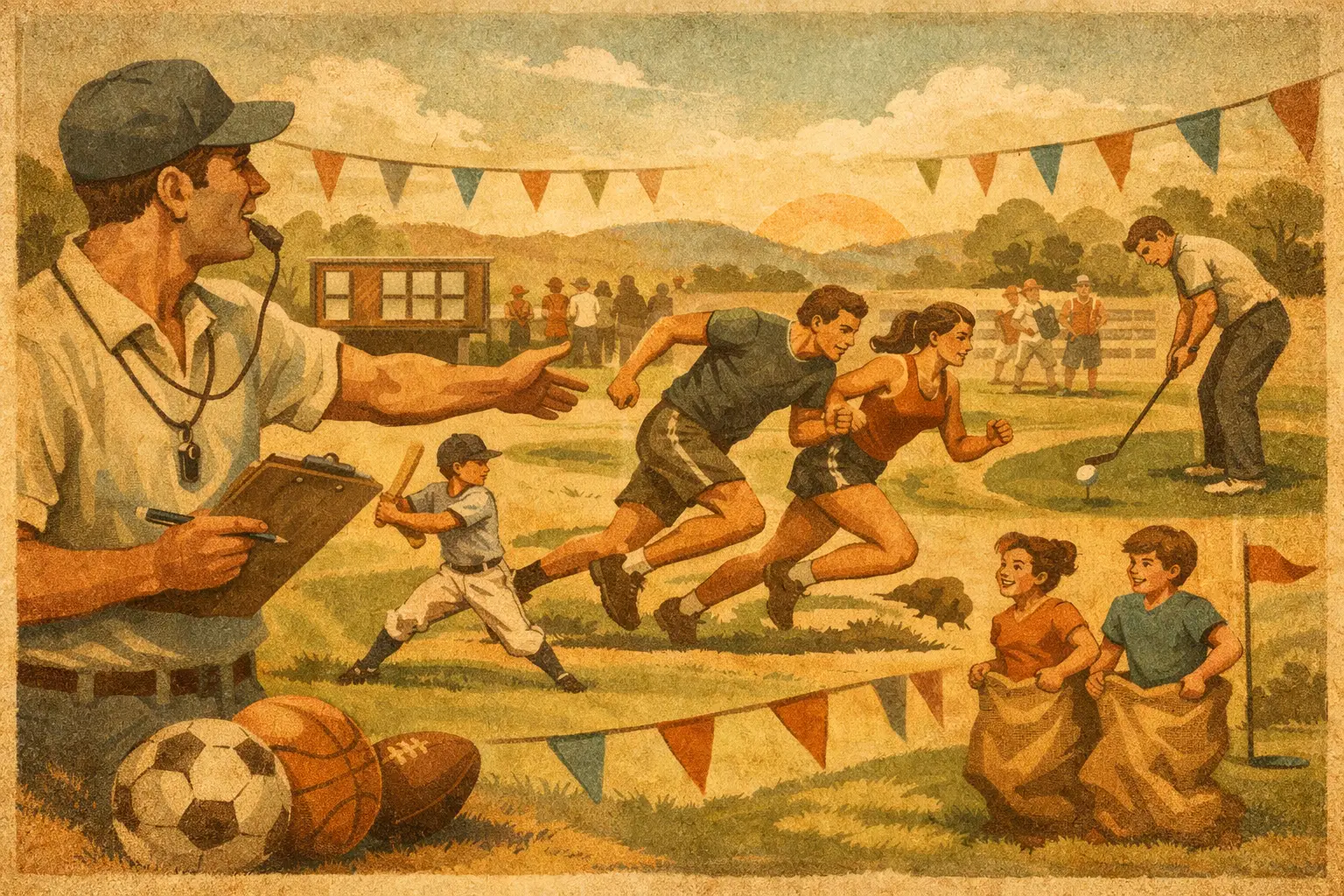
A good local sports challenge starts before anyone scores a point. It starts when someone sees it and thinks, I can actually join this.
That is the difference between a challenge that builds a real scene and one that dies in a group chat. If you want to create local sports challenges that people accept, show up for, talk about, and repeat, you need more than a clever format. You need low friction, clear rules, the right level of competition, and a reason for people to come back next week.
Why local sports challenges work
People do not need more vague plans to play sometime. They need a specific opponent, a clear format, and a deadline. A challenge gives all three. It turns passive interest into action.
That matters even more in local sports. Most players are not looking for a six-month commitment right away. They want something lighter. One run. One match. One skill contest. One chance to prove something, improve something, or meet new people through play.
A well-built challenge also creates momentum. One tennis ladder match can lead to a weekly rotation. A neighborhood shooting contest can become a standing event. A 3v3 soccer challenge between friend groups can grow into a mini league. When the format is easy to understand, people start inviting people.
Start with the right kind of challenge
When people try to create local sports challenges, they often overbuild. They add too many rules, too many rounds, or too much admin. The better move is to start with a format that matches how people already play in your area.
For pickup-heavy communities, direct head-to-head challenges work best. Think 1v1 basketball, singles tennis, fastest mile, most soccer free kicks made out of ten, or first to three wins in pickleball over a week. These formats are simple, social, and easy to schedule.
For mixed-skill communities, team-based challenges usually land better. A 3v3 basketball night, a small-sided soccer showdown, or a beginner-friendly volleyball challenge creates more room for participation. It also lowers the pressure on newer players who might avoid a pure one-on-one format.
For sports-curious locals, skill challenges are often the easiest on-ramp. They feel less intimidating than a full game and give people a reason to show up without worrying they will slow a team down. Accuracy contests, timed drills, and distance-based challenges all work well if the scoring is obvious and quick.
How to create local sports challenges people actually join
The first rule is simple: make it easy to say yes. If a challenge needs a long explanation, it is already losing people.
Start with one clear objective. Beat a team. Set the best score. Win a short series. Reach a target by a certain date. People should understand the challenge in a few seconds.
Next, define the format in plain language. Say how many players are needed, where it happens, how long it takes, what counts as a win, and whether all skill levels are welcome. This is where most drop-off happens. Unclear logistics kill interest faster than a lack of talent.
Then set a realistic commitment. Local sports work best when they fit around school, work, and normal life. A challenge that takes 30 to 60 minutes will usually get more traction than one that needs an entire day. If you are testing a new format, shorter is smarter.
You also need a visible deadline. Open-ended challenges get ignored. A challenge that runs this Saturday afternoon or ends by next Friday gives people a reason to act now.
Pick venues that reduce excuses
The venue matters as much as the rules. If the court is hard to access, the field is too far away, or the gym requires three extra steps to book, participation drops.
The best challenge locations are familiar, central, and easy to describe. Public parks, known courts, campus rec spaces, and well-used local venues all have an advantage because players already trust them. They know where to park, what the surface is like, and whether they can bring friends.
Timing matters too. Prime time sounds appealing, but it is not always the best choice. If your local courts are packed on weekday evenings, an early Saturday skill challenge might work better. If your audience is mostly students, late afternoon could outperform early morning. It depends on your local rhythm, not some universal best practice.
This is also where all-sports communities have an edge. Different sports need different levels of planning. A basketball challenge can happen quickly. A tennis challenge may need court coordination. A running challenge may need almost none. Build around the realities of the sport instead of forcing every challenge into the same mold.
Set the competition level carefully
Competition is the hook, but fairness is what keeps people coming back.
If the challenge is too intense, newer players stay away. If it is too casual, competitive players lose interest. The sweet spot is a format that feels serious enough to matter and open enough to join.
One way to do that is to label challenges clearly. Beginner-friendly. Intermediate. Open. Competitive. Co-ed. Under 18. Over 30. Even a few simple filters help players self-select into the right environment.
Shorter formats also help with fairness. A race to 11, a best-of-three, or a timed drill gives underdogs a reason to enter while keeping the event moving. Long formats can be great for established communities, but they are harder to sell early on.
And if you are organizing recurring challenges, avoid letting the same people dominate unchecked. That does not mean punishing strong players. It means designing enough variety that others can still participate, improve, and stay engaged.
Make progress visible
The fastest way to turn a one-off challenge into a habit is to show players that their effort counts for something.
Wins matter, but progress matters too. People come back when they can see improvement, build a streak, earn recognition, or climb a local ranking. That is why stats, records, and simple achievements make local sports more fun. They give every session a second layer of meaning.
This does not need to be complicated. Track scores, participation, rematches, win streaks, or personal bests. Highlight attendance as well as performance. A player who keeps showing up is helping build the community, and that should count.
Recognition also works better when it is specific. Not just champion, but best defender, most improved, clutch finisher, strongest debut, or most active player this month. Different players respond to different motivators.
That is part of what makes sports apps fun again when they are built around actual participation instead of passive scrolling. The challenge is not just content. It is a reason to play.
Build social proof into the format
People trust local activity when they can see other people are in.
So do not launch a challenge with zero visible momentum if you can help it. Start with a few committed players or teams, then open it wider. Four confirmed players make a challenge feel real. Zero confirmed players make it feel risky.
This is also why direct challenges work so well. Calling out a friend, rival, teammate, or another local group gives the event a story. It creates accountability. Someone is expected to respond.
Ratings, reviews, and shared results can help too, as long as they are used to build trust rather than gatekeep. The goal is to make new players feel informed, not judged. In a healthy local scene, reputation should reward showing up, competing fairly, and being a good sport.
If your community likes content, live streaming or posting clips can add another layer. But treat that as an enhancer, not the core. The challenge should still work even if nobody films a second of it.
Keep the next challenge ready
The biggest mistake organizers make is treating a good event like a finish line. It is really a starting point.
When a challenge ends, players should already know what comes next. Maybe it is a rematch, a rotating leaderboard, a monthly trophy, or a team challenge that expands the format. You are not just filling one time slot. You are building a repeatable loop.
This is where community-led thinking matters. Ask players what they want more of. Shorter games or longer runs. More skill-based formats or more team play. Tighter skill bands or open runs. If people help shape the next version, they are far more likely to come back for it.
That builder mindset is what separates a one-time event from a local movement. At Crewters, that is the whole point - give players the tools to find their crew, challenge each other, track progress, and help shape what gets built next.
If you want to create local sports challenges that last, start small, keep the format sharp, and make participation feel rewarding from day one. The best challenge is not the most complicated one. It is the one that gets your community playing again next week.