
Guide to Joining Casual Matches Fast
May 29, 2026
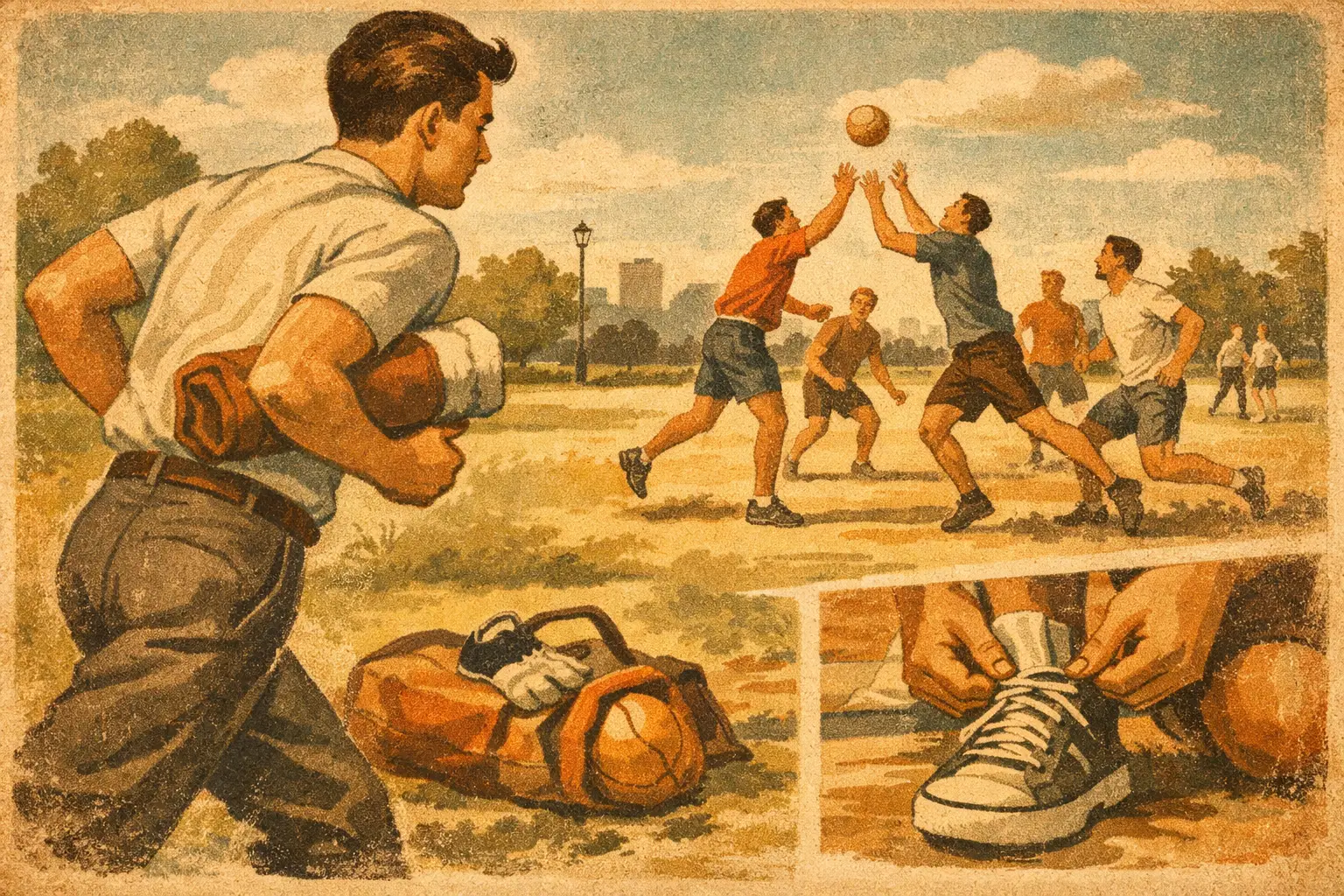
You want to play, not spend three days texting six people only to learn the run is full. That gap between intent and action is exactly why a real guide to joining casual matches matters. The easier it is to find a game that fits your level, schedule, and vibe, the more often you actually get on the court, field, or track.
Casual matches look simple from the outside. Show up, play, go home. In reality, the best pickup games run on trust, timing, and a little social awareness. If you know how to join the right way, you get more reps, better invites, and a stronger local sports network. If you join the wrong way, you end up in mismatched games, awkward group chats, or events that never really had enough players.
Why joining casual matches can feel harder than it should
A lot of players hit the same wall. They want something low commitment, but they still want reliability. They want competition, but not a game so intense it feels like a tryout. They want a good run nearby, but they do not want to sort through random posts, dead chats, or events with no clear organizer.
That tension is normal. Casual does not mean unorganized. The best casual games usually have just enough structure to make participation easy. You know where to go, when to arrive, who is in, and what kind of game you are joining. Once those basics are clear, pickup stops feeling random and starts feeling repeatable.
Guide to joining casual matches without wasting time
The first move is choosing the right match, not just the first available one. A game at the wrong level can be worse than no game at all. If you are coming back after time off, joining a high-intensity run might leave you frustrated. If you are more advanced, a beginner-only session may not give you the pace you want.
Start with three filters: skill level, format, and commitment. Skill level is obvious, but people often skip format. Full-court basketball, half-court basketball, doubles tennis, small-sided soccer, and open gym shooting all count as play, but they deliver very different experiences. Commitment matters too. Some casual matches are true drop-in sessions. Others say casual but expect recurring attendance, quick RSVP responses, or team balance.
This is where a sports network built around organized play helps. Instead of guessing from a vague post, you can look for clear details around the event, the venue, the number of players, and the expected style of play. That context saves time and lowers the odds of showing up to the wrong scene.
Check the game before you commit
Before joining, look at the basics that actually affect your night. Is the venue close enough that you will not bail at the last minute? Is the time realistic with traffic, class, or work? Is the organizer active and responsive? Are enough players already confirmed to make the match happen?
You also want signs that the event has a real identity. A solid casual match usually tells you whether it is beginner-friendly, competitive, mixed skill, bring-your-own-ball, indoor, outdoor, or part of a recurring group. That does not need to be overly formal. It just needs to be clear.
If details are missing, ask direct questions. Not twenty of them. Just the ones that matter. What level is the run? How many players are confirmed? Is it first come, first play or locked in by RSVP? Players respect clarity because it makes commitment easier for everyone.
Respect the RSVP if you want repeat invites
A lot of casual sports culture breaks down here. People say they are in, then disappear. Or they hover as a maybe until game time. That kills momentum for organizers and makes every event feel less reliable.
If you commit, treat that commitment like it matters. If plans change, update early. If you are waitlisted, do not pressure the organizer. If you are accepted, show up. The players who get invited back are not only talented. They are dependable.
That is a huge edge in local sports communities. Reliability gets remembered. So does flaking.
What to do before you show up
Joining a match starts before the first whistle. Give yourself a better first game by handling the obvious stuff early. Bring the right shoes, water, and any gear the sport requires. Know whether the session needs a light and dark shirt, a racket, balls, shin guards, or a reversible jersey. If the venue has quirks like paid parking, gate codes, or court reservations, figure that out in advance.
Then calibrate your expectations. In casual play, game quality depends on who actually arrives. Some nights are sharp and competitive. Some nights are messy and fun. If you expect every run to feel elite, you are going to miss the value of simply getting reps and meeting people who also want to play regularly.
There is also a fitness piece. Casual matches can be sneaky intense because the pace changes fast and the warmup is often short. Show up a few minutes early, loosen up, and avoid turning your first sprint into your first injury.
How to join your first casual match and fit in quickly
You do not need to be the loudest person there. You do need to read the room. Every game has its own rhythm. Some groups are highly social and rotate constantly. Others are quieter, more competitive, and more fixed in how teams form. The fastest way to fit in is to be easy to play with.
That means introducing yourself, being ready when it is your turn, and not making the game about you. If teams need balancing, be flexible. If the organizer is trying to keep things moving, help rather than argue. If the level is mixed, play in a way that keeps the game competitive without turning it into a one-person highlight reel.
This matters even more if you are new in town or trying a new sport. Your first objective is not proving you are the best player there. It is proving you are someone people want back in the rotation.
Play hard, but know the line
Casual does not mean careless. It also does not mean every point is life or death. The best casual players compete with energy while keeping the environment playable. They communicate, hustle, and stay engaged. They do not hack people, start pointless arguments, or turn every missed call into a debate.
There is a trade-off here. If a game is too relaxed, it can feel sloppy. If it is too intense, newer players stop coming. Strong communities protect that middle ground. They make room for competition without making the barrier to entry too high.
If you are one of the more experienced players, you help set that tone. A little awareness goes a long way. The same is true if you are a beginner. Effort and attitude usually matter more than polish in your first few sessions.
Turning one match into a real routine
The real win is not joining one game. It is building a repeatable path to more games. Once you find a good run, stay active. Respond to invites. Rate the experience honestly if the platform supports it. Keep track of who organizes well, which venues work for you, and what formats fit your schedule.
This is where sports apps should do more than list events. They should help turn participation into momentum. Stats, achievements, player ratings, and recurring groups are not just nice extras. They create continuity. They give casual play structure without making it feel stiff. They reward showing up, improving, and being part of a community.
That is a big reason we are building for every kind of athlete, from the player looking for a quick run after work to the person who wants to progress from pickup games into teams, leagues, and rivalries. Casual matches are often the front door. If the experience is good, players come back, bring friends, and shape the local scene.
Common mistakes that make casual matches less fun
Most problems are preventable. Players join games above or below their level, arrive late without saying anything, ignore event details, or treat the organizer like a full-time customer service rep. On the other side, some organizers oversell the competitiveness, under-communicate, or leave players guessing until the last minute.
The fix is not more complexity. It is better signals. Clear event info, honest expectations, quick updates, and respect for other people’s time make casual sports work better. When everyone does a little, the whole system feels lighter.
That is also why community matters more than raw convenience. A court, a field, or a gym is just a location. The reason people keep returning is that the right match feels like a crew. You know the pace, the personalities, and the standard. You stop wondering if a game will happen and start planning your week around it.
If you are trying to join more casual matches, start smaller than you think. Pick one good game. Show up prepared. Be reliable. Learn the rhythm. Then build from there. The best local sports communities are not built by accident. They grow because players keep choosing to show up for each other.