
The Future of Athlete Achievement Platforms
July 6, 2026
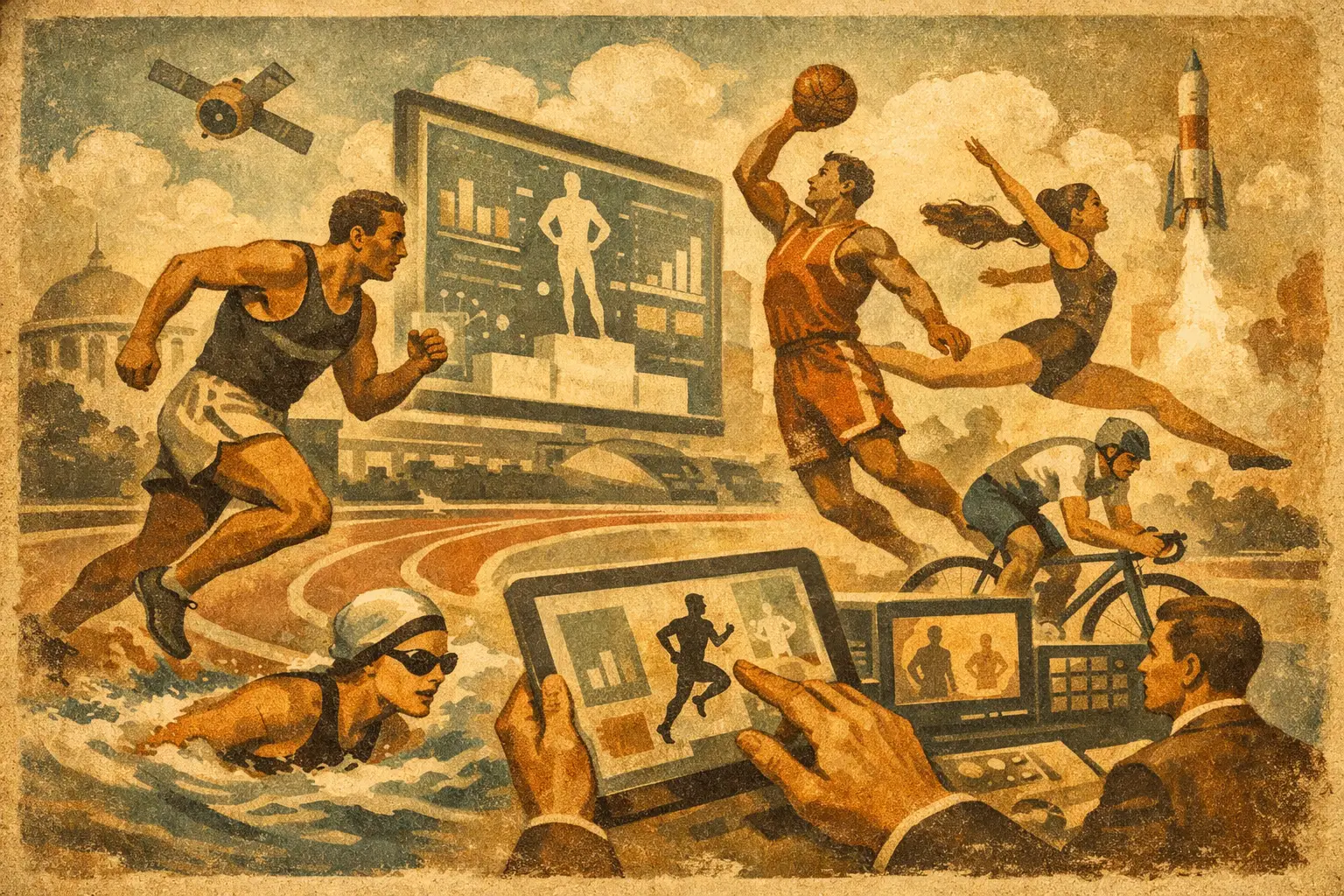
A trophy for running 5k on your own is fine. A trophy for turning up three weeks in a row, joining a local game, improving your rating and getting invited back by better players is far more interesting.
That is where the future of athlete achievement platforms is heading. Not towards more empty badges, more isolated stat dashboards or more fitness data for the sake of it. The next wave will be built around participation that actually leads somewhere - more games, stronger habits, better opponents, local reputation and a clearer path from casual play to real community.
For athletes and casual players alike, that shift matters. Most people do not stop playing because they hate sport. They stop because finding a game is awkward, joining a group feels closed off, and progress often goes unseen unless you are already inside a club system. Achievement platforms have the chance to fix that, but only if they evolve beyond tracking and start shaping behaviour.
What the future of athlete achievement platforms looks like
The old model was simple: log activity, collect milestones, maybe compare with friends. That worked for individual fitness, but team sport and pickup culture need something more connected. If an app tells you that you have improved, but does not help you find your next match, that progress sits in a vacuum.
The future of athlete achievement platforms will be more social, more local and more accountable. Achievements will not just mark what you did. They will help create what you do next. That means rewarding attendance, consistency, sportsmanship, competitive growth and community contribution alongside raw performance.
This is especially relevant for players who sit between complete beginner and elite athlete, which is where most people actually are. They want to play more often, measure improvement, meet the right level of competition and feel recognised without needing county-level credentials or years inside the same club.
Achievement needs to move from vanity to momentum
A lot of sports apps still treat achievement as decoration. You get a badge, you share it if you feel like it, then nothing really changes. The better approach is to make achievement functional.
If a player earns recognition for consistency, that could improve their visibility for local events. If someone builds a record of fair play and reliable attendance, captains and organisers should be able to trust that signal. If a tennis player keeps winning challenges at one level, the platform should start nudging them towards tougher opponents. In other words, achievement should create momentum.
That is a bigger idea than gamification for the sake of retention. It is about helping people move through a sports ecosystem with less friction. Play a game, earn credibility, get invited to more games, improve, and keep climbing. That loop is stronger than any one badge.
Stats alone are not enough
Numbers matter, but context matters more. Ten goals in one group do not mean much without knowing the level of competition, the format, the consistency behind them and how team-mates rate your contribution.
The platforms that win will treat stats as one signal among many. Performance data, attendance, peer reviews, challenge history, league results, venue activity and personal goals can all work together to build a truer picture of a player. That is useful for the player who wants to improve, but also for the wider community trying to organise balanced games and rewarding competition.
There is a trade-off here. The more data a platform collects, the easier it is to overcomplicate the experience. Most users do not want to feel like they are filing a match report every time they have a kickabout. So the best products will make tracking lightweight and relevant. A few meaningful inputs beat endless manual admin.
Local reputation will matter more than global clout
Many platforms still chase broad follower metrics and generic social proof. For sport, local trust is often more valuable. If you are trying to fill a five-a-side match on Thursday night, it matters less that someone has a polished profile and more that they actually turn up, play at the right standard and make the game better.
That points to a more grounded model of achievement. Local ratings, verified participation, event history and peer recognition inside specific sports communities will become more important than surface-level popularity. The strongest athlete achievement platforms will help users build a reputation that means something in the places they actually play.
For UK players, that could be the difference between endlessly messaging in dead WhatsApp groups and reliably finding your next game nearby. Achievement becomes practical when it helps people make decisions.
The best platforms will serve multi-sport identities
Most people do not fit neatly into one sports app for life. Someone might play football on Tuesdays, padel at the weekend, run casually and join the odd basketball session with mates. Yet digital sports products have often split communities by sport, forcing users to start from scratch each time.
That is a weak model for the future. A better achievement platform recognises that players carry behaviours across sports. Reliability, competitiveness, improvement, teamwork and consistency are not sport-specific traits. If someone is active across several activities, their progress should feel connected rather than fragmented.
This is where an all-sports approach gets interesting. It gives users one identity across different ways of playing, and it gives communities a richer view of who someone is. Not just a striker, not just a runner, but an active person building a real sporting life.
Community-led product design is not a nice extra
If achievement systems are meant to reflect real sport, they cannot be built in isolation by people guessing what players value. Different communities care about different things. A casual basketball group may prioritise attendance and fair team balance. A competitive tennis ladder may care more about challenge results and movement between levels. A niche sport might need totally different recognition mechanics.
That is why the future of athlete achievement platforms will be shaped with users, not just for them. The smartest teams will treat players, organisers and early adopters as co-builders. They will test trophy logic, ranking rules, event flows and review systems in public, then adjust based on how people actually play.
This is slower in some ways. It can produce messy feedback and competing priorities. But it usually leads to stronger products because the system feels earned by the community rather than imposed on it.
Recognition will expand beyond winning
Winning still matters. Competition should feel like competition. But if platforms only reward victory, they leave out too much of what keeps sports communities alive.
A newcomer who joins their first event, a player who improves steadily over two months, an organiser who keeps sessions running every week, or a team-mate who gets consistently strong reviews for attitude and effort - these contributions matter. They keep participation healthy. They help people stay involved long enough to become better.
The future platform will recognise both outcome and contribution. That does not mean everyone gets the same reward. It means the system understands that sporting value is broader than a final score.
One example of this thinking is the rise of features that connect events, challenges, teams, leagues, stats and trophies into one loop. That is more compelling than isolated features because each action feeds the next. Crewters is building in that direction by making play itself the centre of progress rather than treating achievement as an afterthought.
Trust, moderation and fairness will decide what survives
Any platform that introduces ratings, achievements and reputation has to deal with human behaviour. People will game systems if they can. Friends will overrate each other. Rivals will occasionally be petty. Some users will chase rewards in ways that damage the community.
So fairness cannot be bolted on later. The next generation of athlete achievement platforms will need credible moderation, clearer verification, smarter weighting of reviews and enough transparency that users understand how recognition is earned. If a ranking feels arbitrary, people stop believing in it. Once that trust goes, the whole system weakens.
This is one of the biggest product challenges ahead. The more meaningful achievements become, the more important it is to protect them.
Why this matters now
There is a broader shift happening in sport tech. People want less passive scrolling and more real participation. They want apps that help them do things, meet people and build routines they can keep. That changes the standard for what an achievement platform should be.
It should not just record a sporting life. It should help create one.
The brands that understand that will build products around action: find a venue, join a match, issue a challenge, form a team, improve your stats, earn your place, then come back and do it again. The ones that keep chasing empty engagement loops will look dated very quickly.
The real opportunity is not to make achievement louder. It is to make it count for something in the communities where people actually play. That is the version worth building, and if you care about the future of sport, now is a good time to help shape it.
Read more at crewters.com/blog/