
Sports Events Should Be Easier to Join
March 17, 2026 · Chris Palmer
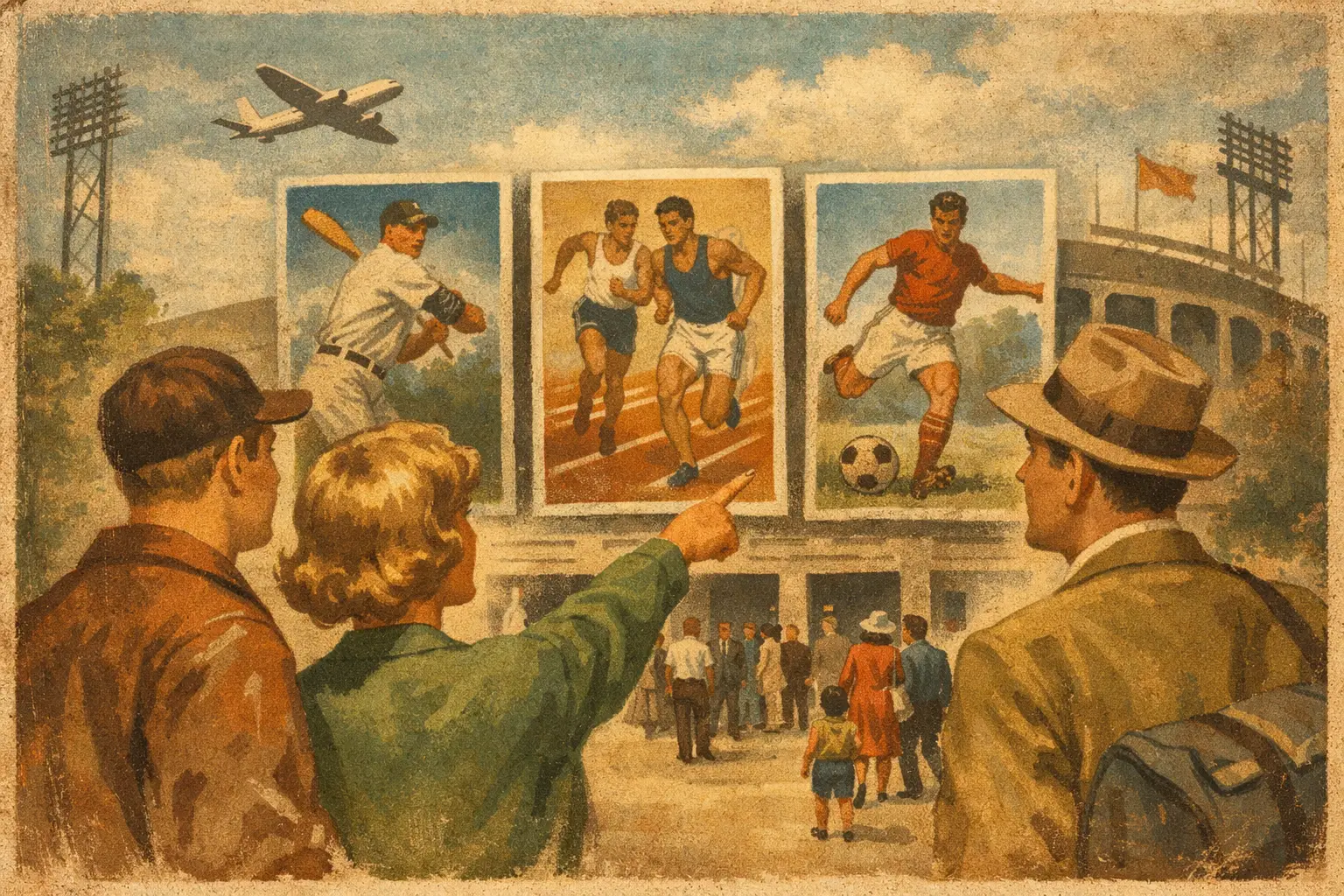
Most people do not have a motivation problem with sports. They have a coordination problem.
They want to hoop after work, find a weekend soccer run, book a tennis hit while traveling, or test a new sport without walking into a closed group. But too many sports events still depend on scattered group chats, flaky RSVPs, outdated league sites, and that one person who somehow becomes the unpaid commissioner for everyone.
That gap matters. If joining a game feels harder than playing it, people drop off. Communities shrink. Venues sit underused. New players never get their first run. The future of sports participation is not just more events. It is better sports events - easier to find, easier to trust, and more fun to return to.
What people actually want from sports events
Most players are not asking for a giant tournament production every time they play. They want a clear path from intent to action. Who is playing? Where is it happening? What level is it? Is it full-court or half-court, pickup or structured, casual or competitive? Can I join without knowing the organizer personally?
Those questions sound basic, but they decide whether an event fills or fails. Sports events work when they remove uncertainty. Players commit faster when the format is obvious, the venue is known, and the level of competition feels right. Casual players want low pressure. Competitive players want real matchups. Organizers need both groups to understand what they are signing up for.
That is also why one-size-fits-all event design usually misses. A basketball run at 7 p.m. needs different details than a doubles tennis challenge, a local spikeball meetup, or a rec soccer scrimmage. Good sports events respect the culture of the sport while keeping the experience simple enough for anyone to join.
Why sports events still break down
The biggest issue is fragmentation. One app handles scheduling, another handles messaging, a separate website lists venues, and actual attendance gets confirmed in a text thread an hour before game time. Nothing feels connected.
That creates friction at every step. Organizers waste time chasing headcounts. Players hesitate because they are not sure the event is real. Newcomers get filtered out because everyone else already knows the unwritten rules. Even regulars get burned when events look active online but collapse in practice.
There is also a trust problem. Sports are social, but they are also personal. People want to know whether an event is competitive, friendly, beginner-safe, and worth their time. They want signal, not noise. A simple event listing is rarely enough. Players want context around who is attending, how games are organized, and whether the group actually shows up.
That is where many platforms stop too early. They treat sports events like calendar entries when they should function more like live communities.
The best sports events feel alive before they start
An event should do more than announce a time and place. It should create momentum.
That starts with visibility. If players can discover nearby venues, see what is happening there, and understand what kind of game is being organized, they are far more likely to commit. The event becomes real before the first whistle.
Then comes accountability. People are more likely to show up when their participation is visible, when they are joining a team or facing a direct challenge, and when there is some social or competitive reward tied to actually being there. Even lightweight systems like attendance history, player ratings, stats, or achievements can help. Not because every pickup game needs to feel like a pro combine, but because recognition keeps communities sticky.
The strongest sports events also create continuity. A great Tuesday night run should not disappear after Tuesday. It should lead to rematches, new teams, league play, rivalries, and progress over time. That is how one event becomes a habit instead of a one-off.
Organizing sports events is easy to start and hard to sustain
Anyone can create an event. Sustaining one is where the real work begins.
The first few sessions usually run on enthusiasm. The organizer posts the time, people invite friends, and the game happens. After that, consistency becomes the challenge. Skill mismatches frustrate players. Last-minute dropouts create uneven teams. Venue quality changes the vibe fast. If people do not feel improvement, competition, or connection, the event loses energy.
This is why the best organizers act more like community builders than schedulers. They define the level clearly. They set expectations around format and sportsmanship. They make room for regulars without making newcomers feel like outsiders. And they keep the event evolving based on what players actually respond to.
There is a trade-off here. Open access grows a community faster, but too little structure can weaken the experience. More structure improves consistency, but too much can make casual players feel boxed out. Good sports events balance both. They stay accessible while giving players enough clarity to trust the game.
What players look for before they join
Most people make a quick decision based on a handful of signals.
First, they check the venue. Is it convenient, familiar, and right for the sport? A great group cannot fully save a bad court, poor field conditions, or a confusing meetup location.
Second, they assess the level. This is where many events lose people. If the description says all skill levels but the regulars play like a locked-in league team, beginners will not come back. On the other side, advanced players avoid events that do not promise enough competition. Clear labels matter.
Third, they want signs of reliability. How many players are in? Is there a history behind the event? Do people actually interact before the game? Reliable sports events reduce the chance of wasted time, especially for players squeezing games between work, class, family, or travel.
Finally, players want some reason to return. That might be friendships, standings, visible progress, recurring rivalries, or just the feeling that this group has a pulse. People come for the game, but they stay for the community around it.
The next version of sports events is more social and more competitive
A lot of sports tech has focused on either administration or performance. One side helps people register. The other side helps them train. The missing middle is participation itself.
That middle is where sports events should evolve. Not as static listings, but as active spaces where players can create runs, issue challenges, build teams, track performance, and turn casual play into something that grows over time.
That is also why all-sports communities matter. People do not live in just one athletic lane. Someone might play basketball weekly, join a soccer game on vacation, and try padel because a friend invited them. When every sport lives in a separate silo, participation gets harder than it needs to be. When sports events live inside one community, discovery gets easier and cross-sport energy grows.
We are seeing a bigger shift too. Players do not only want to consume sports. They want to shape them locally. They want to host, compete, stream, rate, improve, and be recognized. They want apps that feel like part of the game, not another layer of admin. That is the lane we are building toward at Crewters - a place where finding your venue, your people, and your next game feels immediate, and where the community helps decide what gets built next.
Better sports events create better sports habits
This is bigger than convenience.
When sports events are easier to find and easier to trust, people play more often. That changes routines. A once-a-month game becomes weekly. A beginner becomes a regular. A casual player becomes a team captain. A local run becomes a league. The community gets stronger because the path into it gets shorter.
That growth does not happen through hype alone. It comes from small practical wins repeated consistently: clear event details, better venue discovery, visible participation, fair competition, and tools that reward people for showing up and improving. The best sports products will not just count activity. They will create more of it.
The real opportunity is simple. Make sports events feel less like logistics and more like momentum. Give people fewer reasons to hesitate and more reasons to return. If we get that right, more players find their crew, more venues stay active, and more games happen without all the usual friction.
That is a future worth building in public, one game at a time.