
How to Track Pickup Game Stats That Matter
June 9, 2026 · Chris Palmer
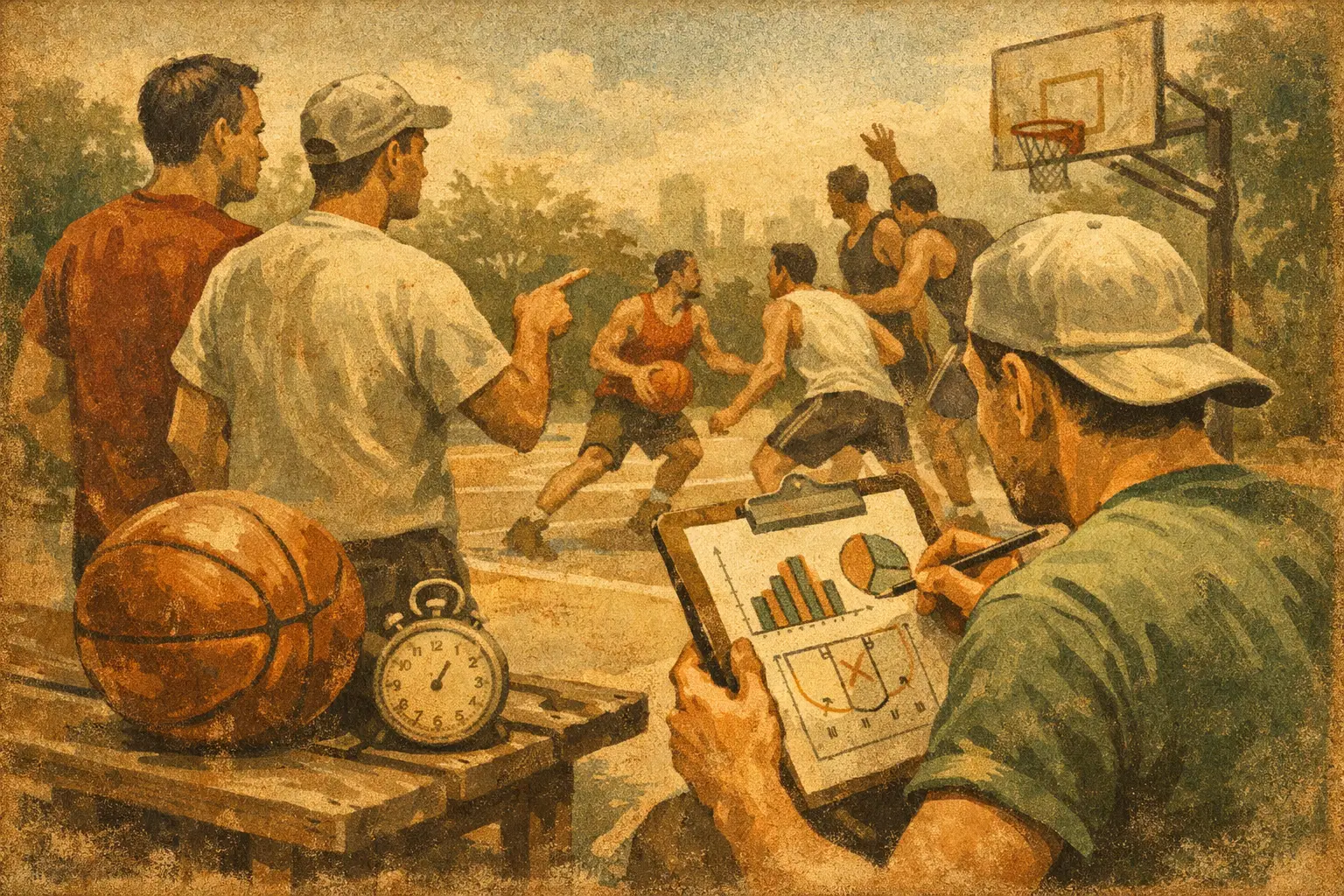
Pickup basketball at 7, soccer at 8, tennis on Saturday, and the same thing happens every time - somebody says they had a great run, somebody else disagrees, and by next week nobody remembers what actually happened. If you want to track pickup game stats, the goal is not to turn a casual run into a spreadsheet convention. The goal is to make games more competitive, progress more visible, and community more real.
That matters more than people think. Pickup sports live on momentum. People come back when games feel organized enough to be worth their time but still loose enough to stay fun. Stats sit right in that sweet spot. They give players proof of improvement, fuel rivalries, and create a reason to show up again.
Why track pickup game stats at all?
Most casual players do not need pro-level analytics. They need a simple record of what happened, who showed up, and whether they are getting better. That can be as basic as wins and losses or as detailed as points, assists, saves, aces, goals, blocks, or streaks depending on the sport.
The real value is behavioral. When players can see their activity over time, they play more consistently. When a group can recognize top performers, most improved players, or weekly leaders, the game has more energy. And when stats connect to challenges, trophies, ratings, or community standing, pickup stops feeling disposable.
There is a trade-off here. If you track too little, the data feels meaningless. If you track too much, the game gets bogged down by arguments and admin work. The best system is the one your group will actually use every week.
The best way to track pickup game stats
The right setup depends on the sport, the size of the group, and how serious your players are. A half-court basketball run with rotating teams needs something fast. A recurring soccer crew with captains and regular attendance can support more detail. A tennis ladder may care more about match outcomes and opponent quality than about every single point.
Start with three layers. First, track participation. Who played, when, and where? Second, track results. Who won, who lost, and what was the score? Third, add sport-specific performance stats only if your group can log them without slowing down the game.
For basketball, that might mean points, rebounds, assists, steals, and wins. For soccer, goals, assists, saves, and clean sheets may be enough. For tennis or pickleball, match wins, set scores, aces, double faults, and streaks are usually more useful than trying to log every rally.
The mistake most groups make is starting too big. If you launch with fifteen stat categories, nobody wants the job. If you start with five and build from there, people buy in.
Start with the stats players actually care about
People say they want advanced stats, but in pickup they usually care about a smaller set of numbers. Availability matters. So does bragging rights. Wins always matter. Scoring usually matters. Attendance matters more than many players admit because the most reliable person in a sports community often becomes the most valuable one.
That is why a smart stat model mixes performance and participation. A player who drops 20 once a month is different from the one who shows up twice a week and helps keep games alive. Both should count.
A good baseline looks like this in practice: appearances, wins, win rate, points or goals, assists, and one defensive stat if the sport supports it. Then layer in streaks, head-to-head records, or player ratings once the group trusts the process.
Keep stat tracking light during the game
Nobody joins a pickup run because they want extra admin. If your stat system interrupts flow, it will get dropped. Fast input beats perfect input.
That means assigning one person to log the basics, confirming scores right after each game, and leaving detailed stat entry for breaks or postgame. In some groups, rotating this role works. In others, one organizer naturally becomes the scorekeeper. Either way, clarity matters. If everyone assumes somebody else is tracking, nobody is.
You also need a simple rule for disputes. Pickup sports are full of fuzzy moments. Was that last touch an assist? Did that block happen before or after the whistle? Did that player actually stay for the full game? Decide ahead of time whether the tracker has final say, whether captains confirm results, or whether only easily verified stats count.
That may sound small, but it is what keeps the system fun instead of annoying.
How to track pickup game stats without killing the vibe
This is where most sports apps and group chats miss the point. Stats should add fuel, not friction. They should make it easier to run games, recognize players, and create ongoing competition.
The best stat culture feels social. Players can look back at last week, call out a friend climbing the leaderboard, or settle the "who really carried" debate with receipts. It also helps newer players. When your system highlights attendance, improvement, and effort, not just dominance, more people feel welcome to keep showing up.
That is especially important in open community sports. If the only thing your group celebrates is elite performance, newer or more casual players drift away. If your system also rewards consistency, sportsmanship, and growth, you build a healthier run.
For a platform like Crewters, that broader view makes sense. Stats are not just about elite competition. They are part of making sports more social, more organized, and honestly more fun again.
Make the stats visible enough to matter
Private notes are better than nothing, but visible stats create momentum. When players can see standings, streaks, appearances, and achievements, they engage differently. The game gains continuity.
That visibility can be weekly, monthly, or season-based depending on your group. A recurring Sunday soccer game might run a monthly table. A basketball community with multiple weekly runs may want rolling stats. A challenge-based system can track head-to-head records over time.
The key is consistency. If updates happen randomly, people stop caring. If players know results get logged every time, the habit sticks.
What to measure in different pickup sports
Not every sport should be tracked the same way. Basketball supports individual box score stats fairly well, especially in smaller runs. Soccer and hockey often need simpler logging unless you have dedicated organizers. Tennis, pickleball, and padel work best with match and set outcomes first, then a few quality indicators if players want more.
Combat sports, running groups, climbing communities, and niche sports need their own logic too. Sometimes the most meaningful stats are attendance, completion, challenge outcomes, personal bests, or difficulty progression. The point is not to force one model across 122 sports. The point is to give each community a way to recognize participation and progress in a format that fits.
That is also why player ratings can complement raw stats. In many pickup environments, numbers alone do not tell the full story. A player who organizes, communicates, plays fair, and raises the level of the game brings real value even if the stat line is modest.
Avoid the common stat-tracking mistakes
The first mistake is treating casual games like official league play. Pickup has looser rotations, uneven teams, and inconsistent conditions. Your stats should reflect that reality. Keep them useful, not inflated with fake precision.
The second mistake is ignoring context. Ten points in a short run with rotating winners is not the same as ten points in a full game. A win against a stacked group means more than a win in a mixed run. If your community gets competitive, consider tracking game type or event level alongside the numbers.
The third mistake is making stats exclusive. If only the best players get attention, everyone else checks out. Add space for most active, fastest improver, longest streak, best teammate, or event creator impact. Community sports work when recognition is broader than one leaderboard.
Build a stat system people want to return to
If you want people to keep playing, keep inviting, and keep competing, stats should connect to identity. Not just what happened tonight, but how a player is progressing over time. That is where trophies, milestones, achievements, and recurring challenges become powerful. They turn a one-off game into a reason to come back next week.
The strongest pickup communities already understand this instinctively. They keep score. They remember who showed up. They talk about hot streaks, big performances, and close losses for days. A good stat system simply captures that energy in a way the whole group can share.
So if you are setting one up, do not overcomplicate it. Track what matters, keep the input simple, and make the results visible enough to spark the next game. The best stat line is the one that gets your crew back on the court, field, or court again tomorrow.