
How Do Sports Leagues Work Locally?
May 10, 2026 · Chris Palmer
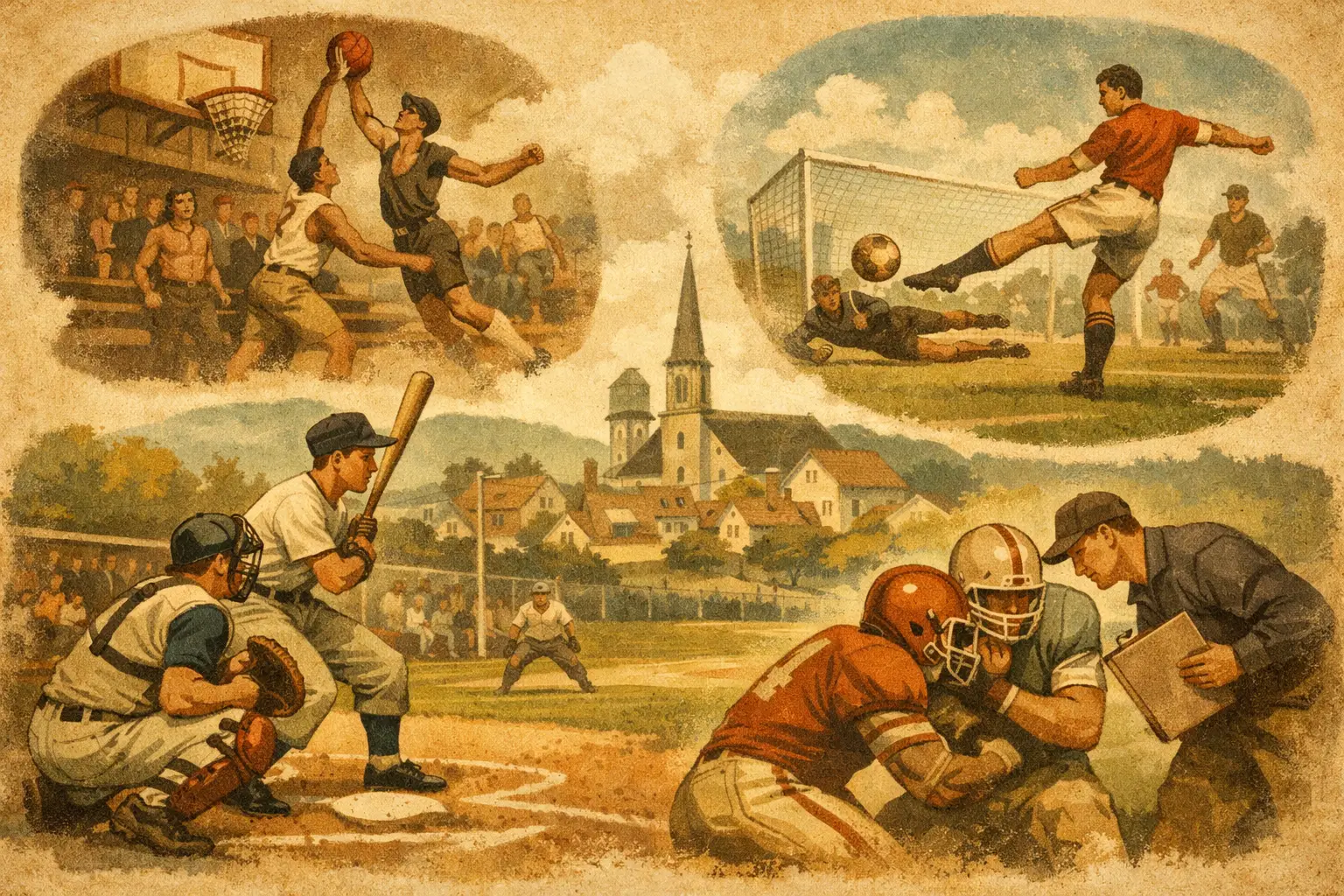
Most people meet local sports leagues at the most confusing point - right when they want to play. You see a registration post, hear a friend mention a season starting, or notice the same teams wearing matching shirts at your local park. Then the questions start fast: who runs this, how do teams form, why does one league cost $60 and another $160, and where do beginners actually fit? If you’ve ever wondered how do sports leagues work locally, the short answer is this: a local league is a structured way to turn a group of players, teams, venues, and rules into repeat competition on a real schedule.
That sounds simple, but the details matter. Local leagues can feel welcoming and organized, or clunky and closed off, depending on who runs them and how much infrastructure sits behind the scenes. Once you understand the moving parts, it gets much easier to find the right league, avoid bad fits, and actually get on the field, court, or pitch instead of staying stuck in group chat limbo.
How do sports leagues work locally in practice?
At the local level, a sports league usually starts with an organizer. That might be a parks department, a rec center, a private company, a school, a gym, a sports club, or even a committed community member who has enough credibility to keep people showing up. Their job is to do the work players rarely see: secure venues, collect registrations, build schedules, communicate rules, handle payments, and settle the occasional dispute.
From there, the league needs a format. Some leagues register full teams only, which works well for friend groups, workplaces, clubs, and established communities. Others allow individual sign-ups and then create teams to keep entry easier for solo players. That difference alone changes the entire experience. Team-entry leagues can feel more competitive and stable, while individual-entry leagues are often more beginner-friendly and social.
Most leagues then divide players by age, gender, skill level, or some mix of all three. A basketball league might separate into rec, intermediate, and competitive divisions. A soccer league might offer coed 7v7, men’s open, and women’s over-30. A tennis ladder might look less like a traditional season and more like rolling matchups based on ranking. Local sports are not one-size-fits-all, which is why two leagues in the same city can feel completely different.
The parts that make a local league actually run
If a local league feels smooth, it is usually because someone has built a system around six things: registration, roster management, scheduling, officiating, standings, and communication.
Registration is the entry gate. Players or captains sign up, pay fees, submit waivers, and confirm availability. In some leagues this happens on a clean app flow. In others, it is still a spreadsheet and a Venmo request. Either can work, but the cleaner the process, the fewer drop-offs you get before the season even starts.
Roster management is where commitment becomes real. Organizers need to know who is actually eligible to play, whether there are subs, whether players can move between teams, and what happens if a team shows up short. This matters more than people think. Loose roster rules can keep games alive, but they can also create fairness issues if stronger players start bouncing around just to win.
Scheduling is the backbone. Local leagues work because they create consistency - same night each week, same venue cluster, same seasonal rhythm. That predictability is what turns “I should play more” into “I have a game Thursday at 7:30.” But scheduling is also where trade-offs hit. Prime-time slots cost more. Indoor space is limited. Weather affects outdoor sports. Adult leagues especially have to balance work schedules, family schedules, and travel time.
Officiating changes the tone of a league fast. Some local leagues use certified refs or umpires. Others rely on self-officiating, especially in lower-cost or more casual formats. Self-officiating can build community and keep fees down, but only if the culture supports it. In highly competitive groups, no refs can turn one close call into a weekly argument.
Standings and playoffs give the season shape. Most leagues use regular-season games to determine seeding, then finish with a playoff bracket or championship game. Some stay purely recreational and skip heavy postseason pressure. Others lean into trophies, stats, and rankings because people want more than a runaround - they want progression, bragging rights, and a reason to come back next season.
Communication is the glue. Good leagues send schedules early, confirm changes quickly, track scores accurately, and make it easy to know where to be and when. Bad communication is one of the top reasons people quit local leagues, even when they enjoy the sport itself.
Why local league fees vary so much
A lot of players assume league fees are arbitrary. Usually they are not. The biggest cost is often venue access. Gym time, turf rentals, field permits, lights, maintenance, and insurance all add up. Add referees, admin time, equipment, marketing, and software, and a local league starts looking less like a casual side project and more like a small operations business.
That said, expensive does not always mean better. A higher fee might mean premium facilities, better scheduling, stronger officials, and more reliable staffing. Or it might just reflect a market with limited space. A cheaper league might feel scrappier but still deliver great games and strong community. The real question is whether the structure matches what you want: low-cost and flexible, or more polished and competitive.
Where beginners fit into local leagues
This is the part many leagues still get wrong. Too many local sports systems are built for people who already know someone, already have a team, or already understand the unwritten rules. That leaves new players, recent movers, and sports-curious people stuck outside the gate.
The best local ecosystems solve that by creating a path, not just a signup page. That path often starts with pickup games, open gyms, drop-ins, or challenge-based play before moving into fixed teams and league seasons. It gives people a chance to build confidence, meet others, and prove reliability before committing to a longer schedule.
This is also why community tools matter. If players can discover venues, join casual sessions, and then form teams from people they have actually played with, leagues stop feeling like closed clubs. They start feeling like the natural next step. For modern players, especially younger adults who organize everything from their phones, that transition matters as much as the league itself.
How do sports leagues work locally when tech is involved?
Technology does not replace local sports. It removes friction. That is a huge difference.
A strong local league platform can help people find nearby games, register as free agents, track stats, report scores, message teammates, and see standings without chasing five different group chats. It can also make accountability visible. If players earn ratings, show attendance history, or build a record over time, organizers can make better calls about team balance and reliability.
There is a trade-off here too. Some communities love simple, old-school organizing because it feels personal. Others are ready for a cleaner system with profiles, progression, and built-in social discovery. The sweet spot is usually tech that supports real-world play instead of burying it under complexity. That is where sports apps can finally get fun again - not by adding noise, but by helping people move from interest to action.
What makes a good local league versus a bad one
A good local league is not just competitive. It is dependable. Games start on time. Rules are clear. Skill divisions make sense. The organizers communicate. The venue is playable. There is a real effort to keep things fair without draining the fun out of it.
A bad league usually shows itself early. Schedules come late. Teams fold midseason. One division has wildly uneven skill levels. Nobody knows who to contact. Rules get enforced differently depending on who complains loudest. Even talented players leave those environments because chaos kills momentum.
The best leagues understand something simple: people are not just paying for game time. They are paying for rhythm, community, and a reason to keep showing up.
How to choose the right local league for you
Start with your actual goal, not the league’s marketing. Do you want weekly competition, a social routine, a way back into shape, or a path to meet future teammates? If you want low-pressure games after work, a highly competitive division may burn you out. If you want serious reps, a beginner-friendly rec league may feel too loose.
Then look at format, location, and reliability. Team-entry versus individual signup matters. Travel time matters. So does the night of the week. A decent league ten minutes away is often a better long-term fit than a great league across town that you can only make half the time.
If you are between casual play and league play, start by finding your crew first. Join a few runs, pickup sessions, or challenge matches. See who is consistent. See which venues feel active. Build your base, then step into the league environment with people you already trust to show up. That is often the difference between signing up once and building a sports routine that lasts.
Local leagues are not mysterious once you see the system underneath them. They are communities with schedules, rules, and just enough structure to turn loose interest into real competition. Find the version that matches how you want to play, and if the local setup still feels fragmented, help shape something better. That is how stronger sports communities get built.