
How to Create a Pickup Soccer Event Fast
April 7, 2026 · Chris Palmer
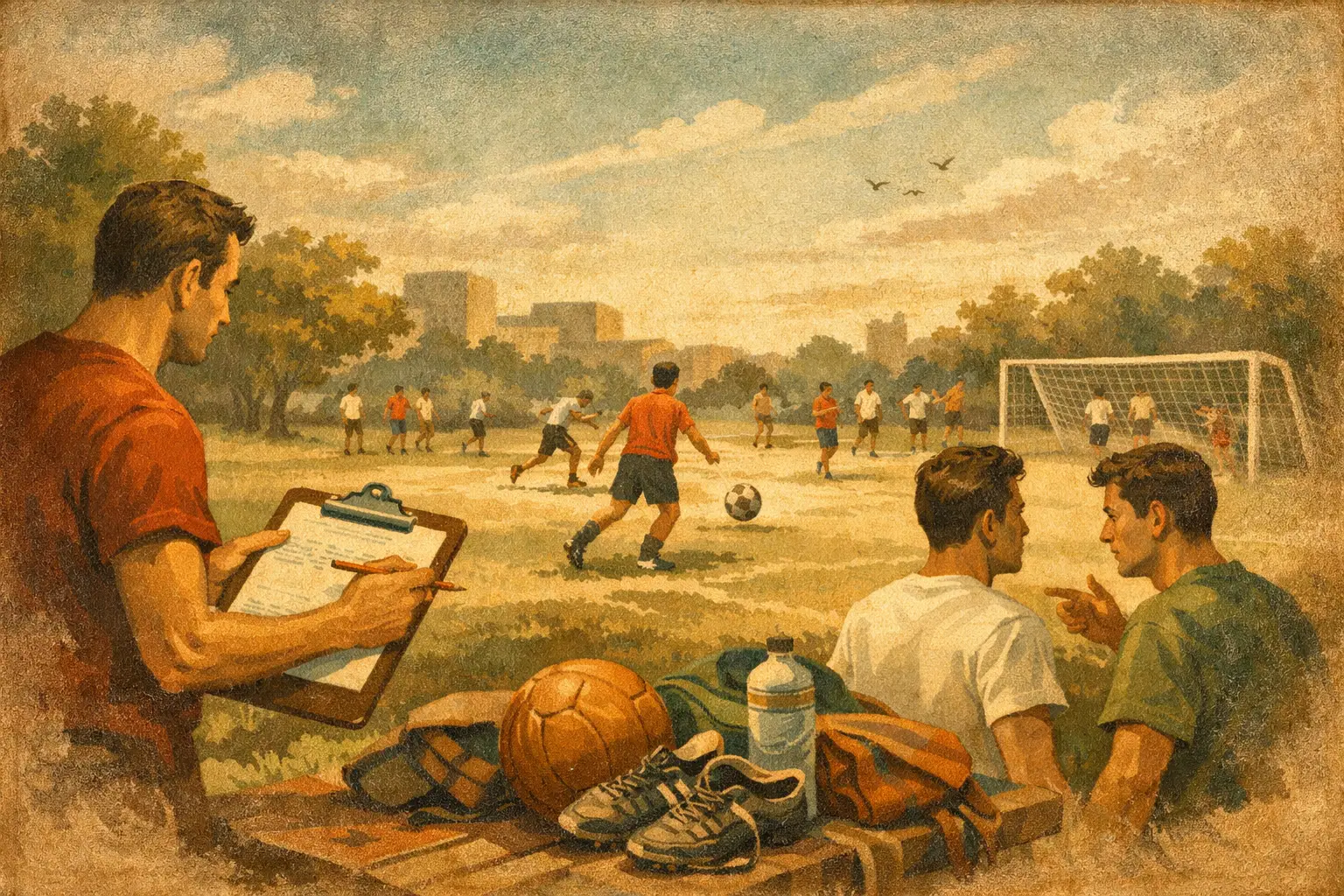
The difference between "we should play sometime" and an actual game usually comes down to one person making three decisions quickly. If you want to create a pickup soccer event fast, you do not need a perfect plan, a full roster, or a fancy setup. You need a field, a time, and a clear invite that makes it easy for people to say yes.
That sounds simple because it is simple. The hard part is usually hesitation. People wait too long to lock a location, overthink the format, or send vague messages that force everyone else to ask follow-up questions. Pickup dies in the group chat when the organizer makes people work to understand the plan.
Create a pickup soccer event fast by reducing choices
The fastest organizers do not start with every possible option. They narrow things down immediately. Instead of asking, "Where should we play?" they choose one realistic field. Instead of polling five time slots, they pick one primary time and maybe one backup. Instead of debating team size for twenty messages, they define the format up front.
That matters because pickup soccer is casual, but coordination is not. The more variables you leave open, the more likely players drift. A fast event is built on low friction.
Start with the field. Public turf, school fields open after hours, small-sided soccer cages, and park grass all work. What matters most is whether people can actually get there and whether they know exactly where to show up. A good-enough field today beats a perfect field next week.
Then choose a format that fits uncertainty. If you are not sure how many players will commit, 5v5 or 7v7 is easier to launch than trying to force a full 11v11 run. Smaller formats survive no-shows better, and they are usually easier to organize after work or on short notice.
The fastest event setup looks like this
A solid pickup listing or message should answer the obvious questions in one shot. Players should not have to ask where, when, what level, or whether they need to bring anything.
What to include in your event
Keep it tight and practical. Include the date, start time, exact field name, expected format, skill level, and whether it is free or if everyone is splitting a rental. If you have house rules, mention them. If pinnies, cones, or balls are needed, say who is bringing them.
This is the kind of message people respond to:
"Pickup soccer this Thursday at 7 PM at Riverside Turf. Running 7v7, all levels welcome, bring dark and light shirts. Free play. Need 4 more to lock it in."
That works because it is specific. It creates urgency without sounding desperate, and it gives players enough detail to commit immediately.
What slows everything down
The worst version is the open-ended message: "Anyone down for soccer this week?" That invites interest, not commitment. You might get ten likes and zero confirmed players. Pickup events need structure before they need hype.
There is a trade-off here. If you make the event too rigid, some casual players may pass. If you make it too loose, nobody knows what they are joining. The sweet spot is clear logistics with a relaxed vibe.
Pick the right time if you want players to actually show
The best event time is not always the time you prefer. It is the time your local soccer crowd can realistically make.
Weekday evenings usually work best for students and young professionals. Saturday mornings can also be strong, especially for players who want a run before the rest of the day starts. Late Sunday afternoons can be hit or miss depending on local league schedules, family plans, and whether people are already cooked from the weekend.
If you are building a recurring game, consistency beats experimentation. A regular Tuesday 7 PM run becomes part of people’s routine. A game that keeps changing days and times forces everyone to re-decide every week, and that drops attendance.
If you are organizing while traveling, convenience matters even more. Choose a central field, use a short time horizon, and make the event beginner-friendly unless you already know the local level. Travelers and new players are more likely to join when the ask feels easy.
Filling spots fast is mostly about social proof
People join pickup when they believe the game is real. That means they want to see that other players are already in.
The fastest way to get momentum is to secure a small core first. Get three to six people who reliably show up, then post the event publicly or send it into your wider network. Nobody wants to be first into an empty field. A half-full game attracts the rest.
Confirmations matter more than interest
Do not count vague replies. Count only confirmed players. If someone says "maybe," treat it as a no until they commit. That is not rude. It is just honest event math.
This is where a dedicated sports app helps more than a scattered text thread. You want people to join the event itself, not disappear inside reactions and side messages. On a platform like Crewters, the action is clearer: create the game, fill the spots, and let players discover it without turning coordination into admin work.
Make the event feel open, not random
There is a big difference between welcoming and directionless. Saying "all levels welcome" is good. Saying nothing about the level often scares off newer players and annoys more competitive ones who expected a sharper run.
If your game is casual, say casual. If it is high-tempo and experienced, say that too. Good pickup culture starts before kickoff. Set expectations early and you get better matches and fewer awkward surprises.
Small logistics decide whether the game survives
Once enough players commit, the final 10 percent of planning matters more than most people think. Pickup games often fail because of simple, preventable misses.
Bring at least one ball, ideally two. Have cones if the field does not have clear markings. Tell players whether cleats are allowed. Mention parking if it is tricky. If weather looks shaky, communicate the call time for cancellation or confirmation. Nobody likes sitting around at 6:45 wondering if the game is still on.
There is also the question of overbooking. For smaller-sided games, it can actually help to have one or two extra players beyond the ideal count because no-shows happen. But too many extras on one field creates frustration, especially if people expected more playing time. It depends on your local culture. Some groups are fine rotating. Others expect a clean roster.
If you are charging for a rented field, be even more direct. State the cost per player, payment method, and refund expectation if someone drops late. Money confusion kills trust fast.
How to make pickup soccer repeatable, not just fast
The first event is about speed. The second and third are about reliability.
If you want pickup soccer to grow, treat every game like the seed of a recurring crew. That means starting on time, welcoming new players without making them feel like outsiders, and following up after the run while the energy is still there.
Build a habit, not a one-off
The strongest pickup groups are not necessarily the most talented. They are the most consistent. People come back when they know the run is real, the level is fair, and the organizer is dependable.
Even little things help. Post the next run before people leave. Ask who is in for the same slot next week. If your platform supports stats, ratings, challenges, or progression, those features can add extra gravity around the game. They give players another reason to return beyond just cardio.
Keep the barrier low for new players
A lot of people want to play but hesitate because they do not know anyone, they are rusty, or they assume the game will be too serious. Your event copy should lower that barrier. Clear instructions, fair expectations, and visible attendance all help.
That is especially true for soccer-curious players who want the pickup experience without league-level commitment. If we want better local sports communities, we have to make showing up feel less intimidating.
Speed comes from clarity, not rushing
If you want to create a pickup soccer event fast, the goal is not to throw something together carelessly. The goal is to remove the friction that stops games from happening at all.
Choose one field. Pick one time. Set a format that can survive a couple no-shows. Write an invite people can understand in five seconds. Confirm real players, not maybes. Then run the game like you plan to do it again.
That is how pickup grows. One clear event becomes a regular run, and a regular run becomes a real local crew. Start with the easiest version that can happen this week, then let the community build from there.