
Community League Organizer App Example
May 20, 2026 · Chris Palmer
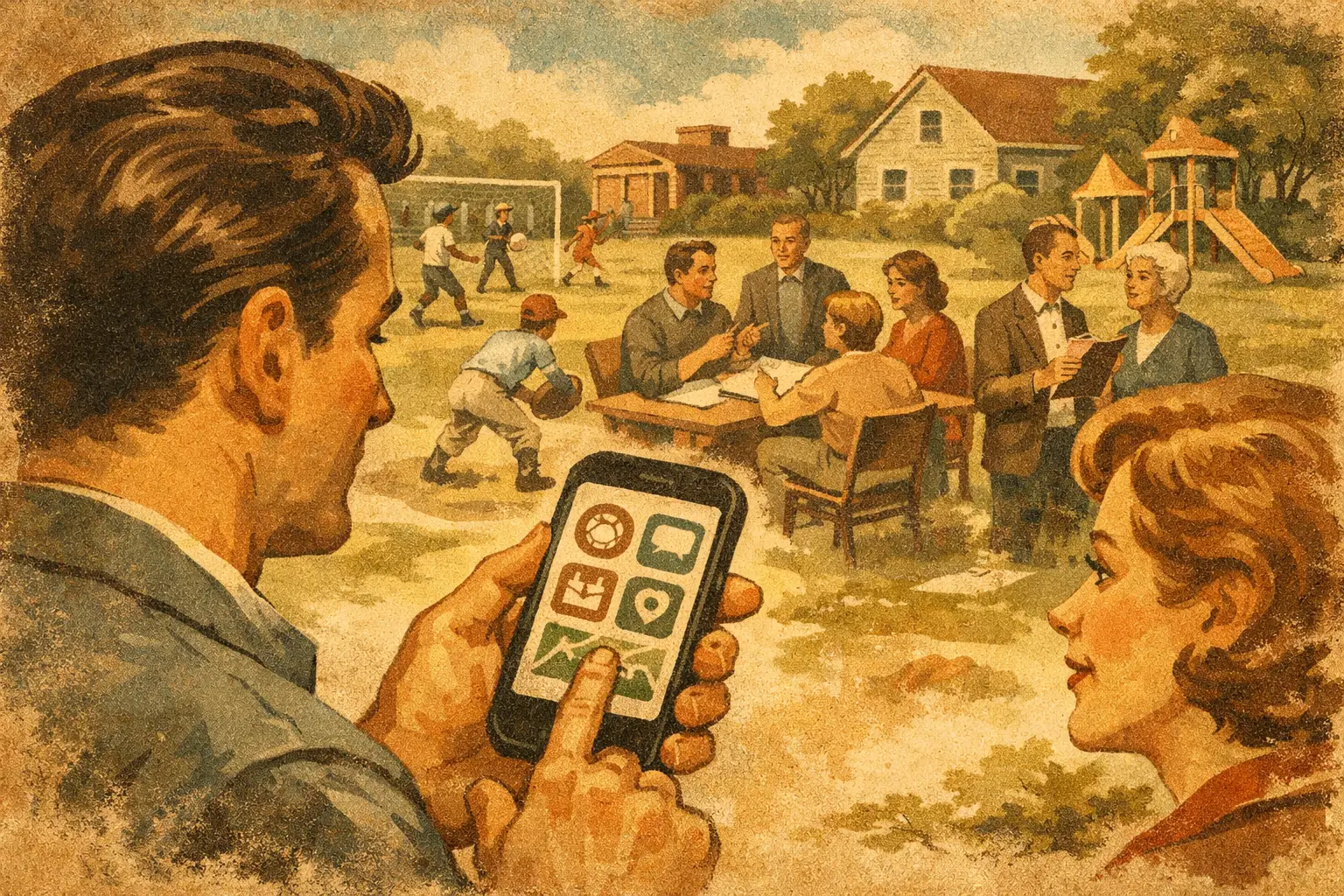
Picture a local rec league on a Tuesday night. One player is asking where the game is. Another forgot the start time. A captain is chasing RSVPs in three group chats, and a new player wants in but has no clue who to contact. That mess is exactly why a community league organizer app example matters - not as a fancy tech demo, but as a real fix for the friction that keeps people from actually playing.
If you organize leagues, pickup games, or team-based competitions, the best app experience is not just a schedule with notifications. It is a system that helps people find games, commit to them, compete, track progress, and come back next week. That is the difference between software that stores information and software that grows a sports community.
What a community league organizer app example should actually solve
A lot of league tools are built like admin dashboards first and player experiences second. That usually means organizers get a control panel, while players get a stripped-down calendar and maybe a chat thread. It works, technically. It does not create momentum.
A stronger model starts with the core problem: most community sports fall apart between interest and action. People want to play, but they need a clear path from discovering a game to joining a team to showing up consistently. A good app closes that gap.
That means the app should support a few connected jobs at once. Organizers need to create leagues, set schedules, manage teams, and communicate changes fast. Players need to discover opportunities nearby, join without awkward gatekeeping, and see what their season looks like. The community needs social glue - rankings, reputation, stats, and a sense that participation leads somewhere.
A practical community league organizer app example
Imagine an app built for basketball, soccer, tennis, flag football, volleyball, and niche sports in the same ecosystem rather than splitting everyone into separate products. A player opens the app and sees nearby venues, open leagues, pickup events, and active teams. They can join a beginner-friendly indoor soccer league, RSVP to a Saturday basketball run, and challenge another player to a one-on-one match from the same account.
For the organizer, league setup starts with the basics: sport, format, team size, season dates, venue, division level, and registration cap. From there, the app generates a league page where players can join as individuals or enter with a full team. If there are not enough full rosters, free agents can be matched automatically or reviewed manually.
Once the league is live, schedules, standings, and game updates all sit in one place. Players get reminders. Captains can confirm availability. Organizers can post rule updates or weather delays without hunting people down on text. That alone saves time, but it is still just the floor.
Where this community league organizer app example gets stronger is in the layer after scheduling. Each game can feed player stats, team records, achievements, and ratings. Instead of treating each season like a disposable spreadsheet, the app builds a living sports identity for every user.
The features that turn coordination into community
League management features are easy to list. The harder question is which ones actually change behavior.
Events are the first big one. Not every player is ready to join a formal league on day one. Some want to test the vibe first. If an app lets organizers host low-pressure pickup sessions alongside structured competition, it creates a better on-ramp. That matters for newcomers, travelers, and players coming back from time away.
Challenges add another useful layer. Community sports are not only about official fixtures. Sometimes the energy comes from direct competition - your team calling out another team, or two players setting a match to settle a score from last weekend. If those challenges happen inside the same app, the platform becomes active between league dates rather than only on game day.
Teams matter too, especially in community sports where rosters shift constantly. A team feature should do more than store names. It should help captains recruit, manage lineups, track attendance, and carry a squad from one event or season into the next. The more persistent the team identity, the stronger the retention.
Then there is stats and progression. This is where many tools get timid. They stop at standings because that feels safe and administrative. But players care about personal progress. Goals scored, wins, appearances, streaks, trophies, levels, and achievements all give people a reason to keep showing up. Used well, gamification is not fluff. It is motivation.
There is a trade-off here, though. Too much emphasis on rankings can make casual players feel judged. That is why the best systems give people multiple ways to participate. Some will chase leaderboards. Others just want consistency, social accountability, and a clean record of the games they played. The app should support both.
Why all-sports matters more than most organizers think
Many organizers think narrowly because they have to. If you run a basketball league, your world is basketball. But players do not live that way. The same person might play soccer on Wednesdays, tennis on Sundays, and join a random volleyball game while traveling.
That is why a multi-sport ecosystem can outperform a single-sport organizer tool. It meets people where their actual sports life happens. Instead of rebuilding social circles and profiles across separate apps, users stay in one network. That gives organizers access to a larger pool of active people who already understand how the platform works.
It also helps with discovery. Someone who joined for pickup games may later join a league. Someone who started in a league may begin creating events. Someone who came for one sport may try another because the barrier is lower. This kind of cross-pollination is how communities grow instead of plateau.
What organizers should look for before choosing an app
If you are evaluating any community league organizer app example as a real solution, start by asking whether it helps both sides of the equation: the person running the league and the person deciding whether to show up.
An app can have every admin feature in the world and still fail if joining feels clunky. Likewise, a player-friendly app will frustrate organizers if scheduling, roster control, and communication are weak. The sweet spot is operational clarity on the back end and low-friction action on the front end.
You should also think about the culture you want to build. Do you need formal league-only structure, or do you want pickup events, open challenges, and flexible team formation feeding into the same community? Some organizers want tighter control. Others want a sports network that keeps activity moving all week. It depends on your model.
One more factor matters: feedback loops. The strongest products are not static. They evolve with the people using them. When organizers and players can shape priorities, report friction, and influence what gets built next, the app starts to feel less like software you rent and more like infrastructure the community owns.
A better standard for sports apps
The real lesson in any strong community league organizer app example is simple: organizing games is only part of the job. The bigger opportunity is helping people belong, compete, improve, and return.
That is the standard we should be building toward. Not another cold scheduling tool. Not another app that treats sports like calendar management. We need products that make it easier to find your crew, start playing faster, and stay connected across events, teams, leagues, and every small rivalry that makes local sports fun again. Crewters is built around that idea, and the more builders and players push for it, the better sports apps get.
The next great sports community is probably not waiting for better intentions. It is waiting for better tools - and for organizers willing to build with the people who play.